
What is pH?
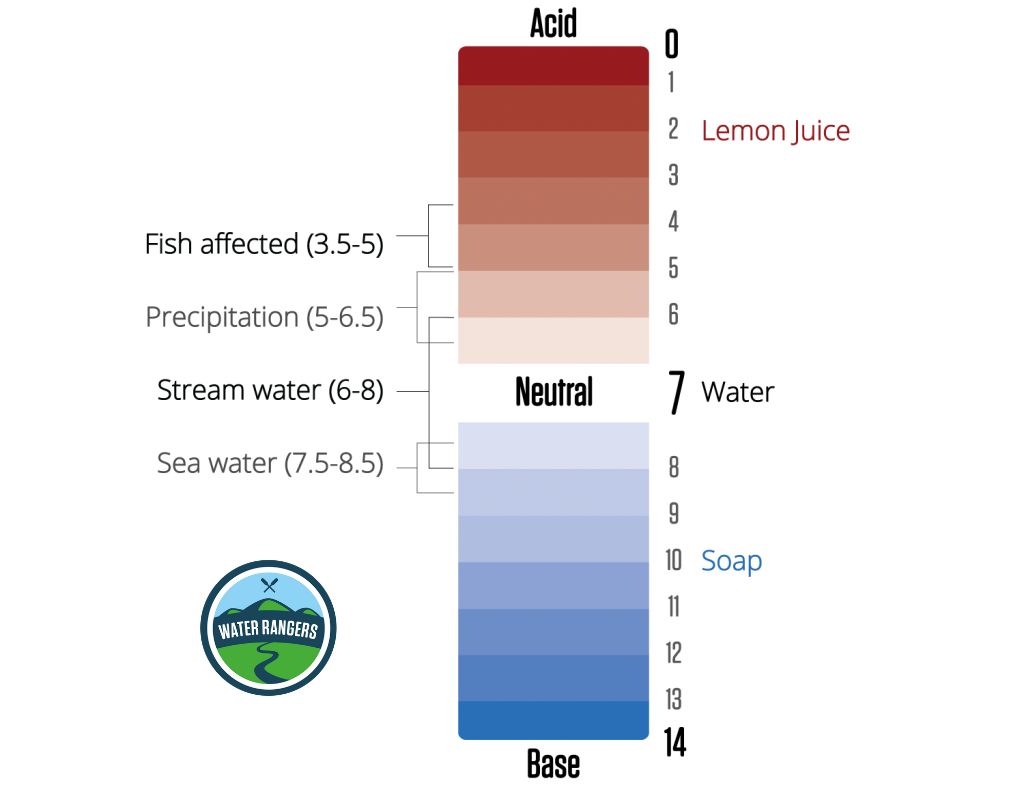
pH stands for “potential for Hydrogen.” It measures how acidic or basic (alkaline) a liquid is. pH ranges on a scale from 0 (very acidic) to 14 (very basic) and uses a logarithmic scale. While the difference between a pH of 6 and a pH of 8 may seem small, a pH value of 6 is actually 100 times more acidic than a value of 8!
Why is pH important in freshwater?
In freshwater systems, pH plays a critical role in determining the conditions for life. pH influences the availability of nutrients and how easily heavy metals, which are toxic to aquatic life, can dissolve in the water. If the pH falls below 5 or over 10, you will start to see fish life spans and reproduction affected. Low pH can reduce the number of fish eggs that successfully hatch and make life difficult for fish and macroinvertebrates (the small creatures that are the backbone of our water ecosystems). Amphibians are also very sensitive to low pH because of their sensitive skin.
What does a pH measurement mean?
Rivers and lakes generally have a pH between 5 (acidic) and 9 (basic). Whereas, pH in saltwater averages closer to 8.2 (slightly basic). The most important thing is establishing a baseline for testing to understand what is normal for the waterbody you are testing. For example, the Rideau River drains into the Ottawa River, and yet the typical pH of each is quite different. The Ottawa River’s pH is usually around 7, while the Rideau River is 10 times more basic, with a normal pH level around 8.
Common values for pH in freshwater
Did you know
- Coloured water tends to be more acidic, so it may have a lower pH than clear water.
- Human influence through dumping can change pH levels. Acid rain, mining run-off, and pine forests all lower the pH of water systems.
- Plants affect pH over a day through photosynthesis and respiration: pH will be highest in the afternoon and lowest before sunrise.
Algae Blooms
Harmful algae is a growing concern for lakes and are made worse by excess nutrients from human activity. Algae blooms have an optimum pH between 8.2 – 8.7 and usually appear in late summer/early fall. When algae grows, pH levels go up, and can reach over 10 (all fish die above 10)! Some algae is normal. However, if you you see a lot, be careful as some are toxic!
Water Rangers testing protocol
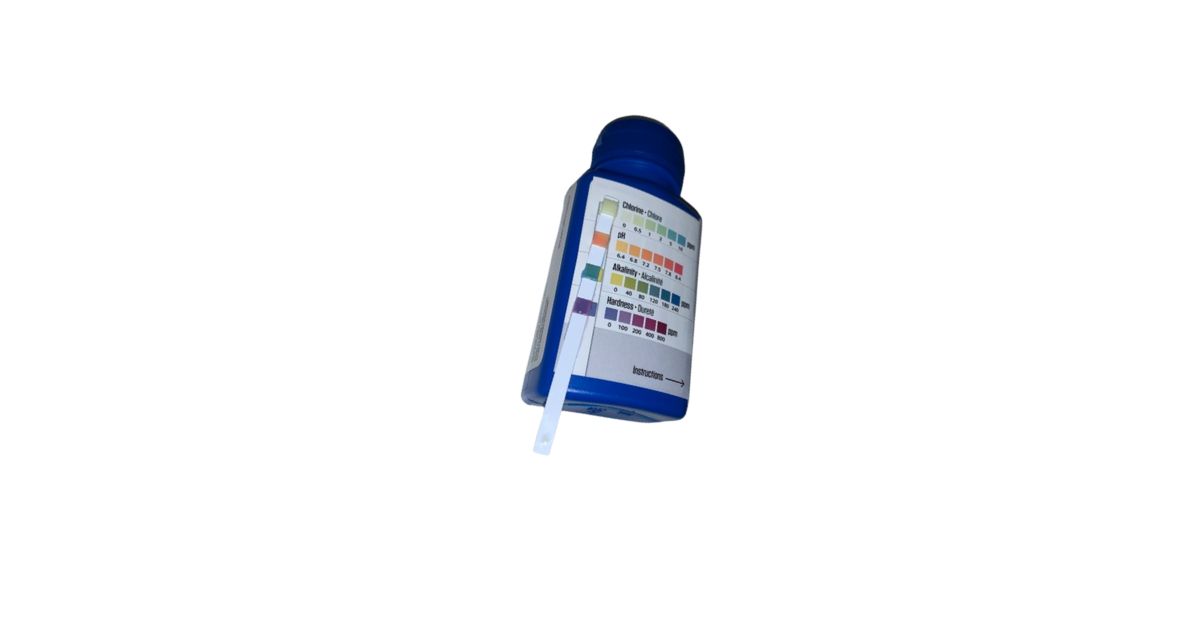
For this test, we use Taylor Pool and Spa Test Strips.
Research
We’ve compared 15 types of test strips, and those made by Taylor have been shown to be the most accurate.
How to test
- Rinse your sample cup 3 times.
- IMPORTANT! Make sure your hands are dry. Any moisture in the container will ruin the strips.
- Shake out 1 test strip and close the bottle.
- Dip the entire strip in the water. Remove after 2 seconds. Don’t shake the strip!
- Wait 20 more seconds before reading.
- Compare colours with the guide on the side of the bottle. Line up the colour strips vertically to compare along the spectrum for each value.
Pro Tip: If the colour on the test strip appears in the middle of two colours on the bottle, you can record the absolute middle (for example, if the colour is somewhere between 6.8 and 7.2, then record a value of 7).