
A morning at the new Guildford Sewage Treatment Works.
Water Rangers, The River Wey Trust, and Zöe Franklin, MP for Guildford, recently spent a morning at the new sewage treatment works being built at Moorfield Road, in Guildford, and we came away feeling positive. It was great to see Zöe asking questions and getting stuck into the detail of how a sewage works like this comes together and the measures that have been taken to create better facilities our community.

Building above old ground, not into it
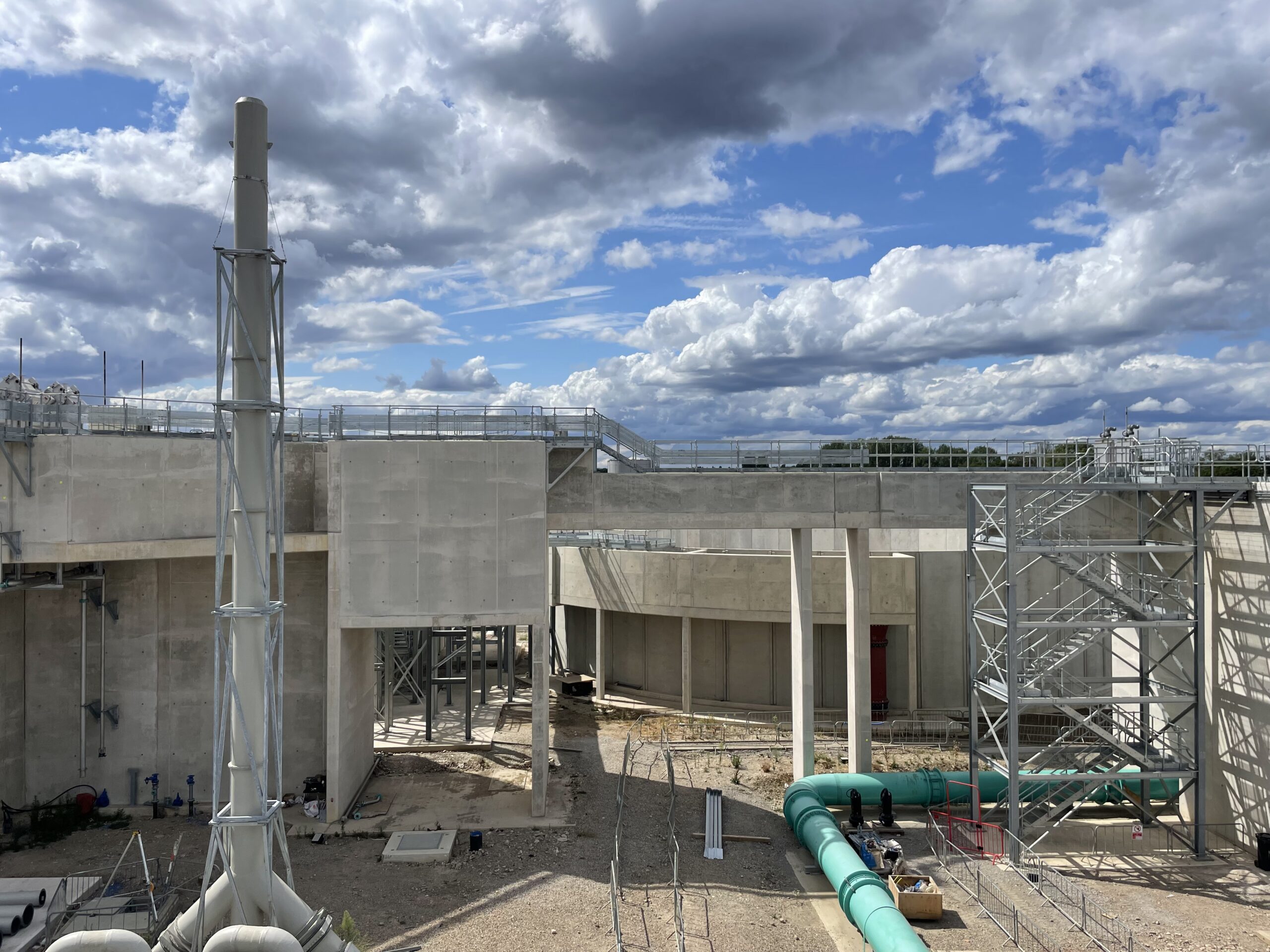
The new works sit on old landfill site, so everything is being built above ground rather than dug in. Building upward means the design can work around what’s already buried there, rather than disturbing decades of it.

How the sewage actually gets there
It turns out getting sewage to the new site doesn’t mean digging up and relaying pipes along the surface. Thames Water have built a new transfer tunnel, about 1.4 kilometres long, running from the existing inlet pumping station straight through to the new works. It was bored using a tunnel boring machine that a local school got to name, “Daphne.” Once everything is fully up and running, flows from the existing sewers will travel underground through that tunnel into the new site, and the old works nearby will be decommissioned.
The concrete work really impressed me!
The quality of the concrete work on site really struck me, too. If you’re anything like me, seeing that level of precision up close is a genuine “wow” moment. It’s easy to forget how much skilled work goes into a project like this before a single drop of water ever flows through it.
Keeping the smells and flies under control
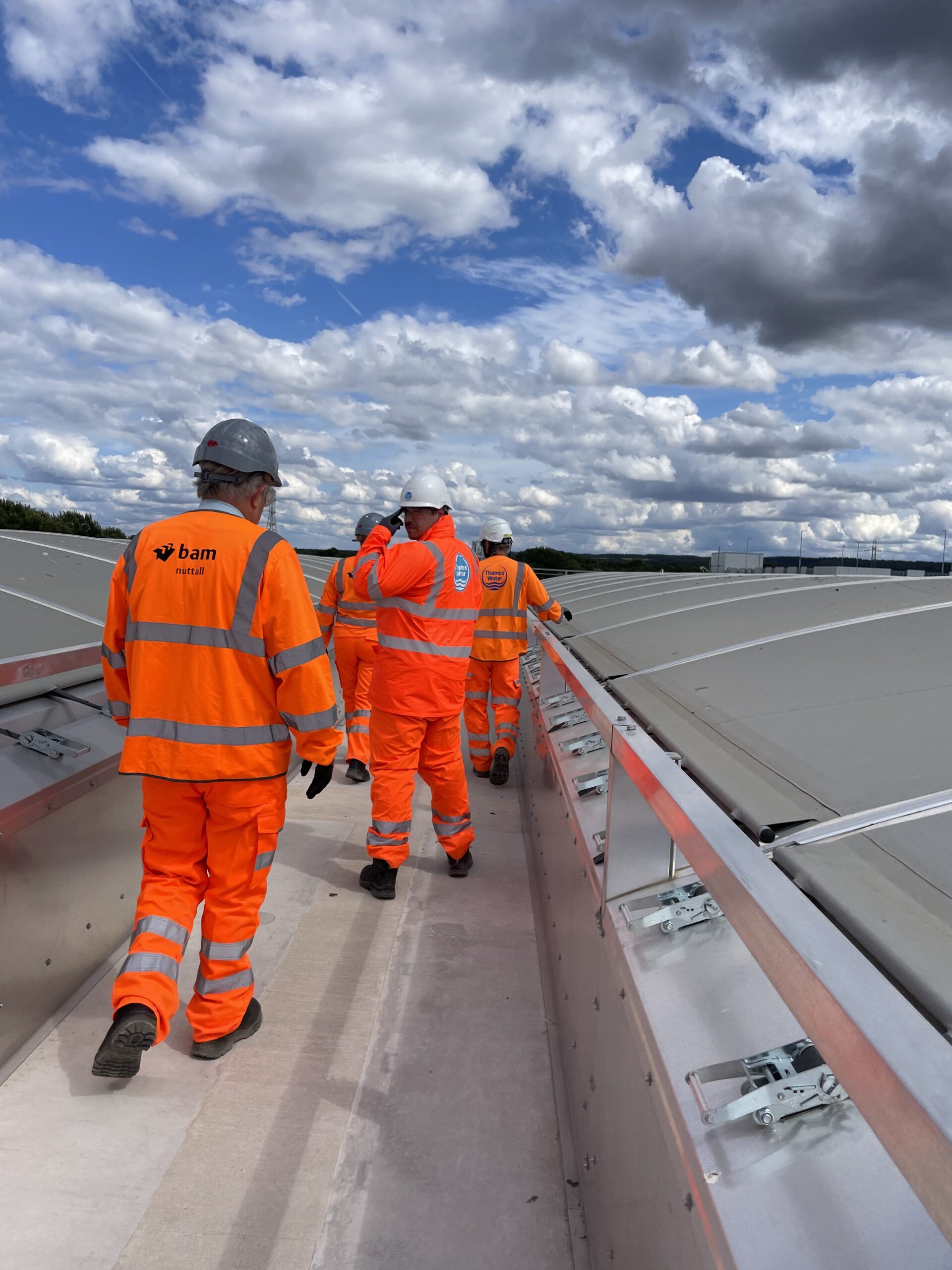
On the smell front, it was good to hear this has been thought through rather than left as an afterthought. There are canopies over the storage tanks, and Thames Water are using up to date odour control methods across the site, aimed specifically at minimising any impact on neighbours nearby.
Canopies visible in the photo.
Room to grow
I also heard that the new site has room to extend its capacity. Given the pressure that new housing across the Wey catchment is putting on the sewage network, knowing there’s headroom to grow, rather than a ceiling already reached, was reassuring.

The investment gap nobody’s solved yet
There are still issues with the level of infrastructure investment that new homes are putting on the water companies generally. Regardless of any discussion on private vs state management, the amount of capital needed to meet the increasing demands for more and better treatments to provide cleaner water out of treatment works is not being made available. Requirements and regulations need to be linked to housing investment.
A direct line to Thames Water
Thames Water told me I’m welcome to reach out to them directly with questions going forward, rather than through general channels. I plan to make good use of that, and to keep asking on behalf of our community as the new works come online, whether that’s about capacity, discharge, monitoring, or anything else that affects the health of the river.
We are planning to invite Thames Water along to one of our events, to meet the community and answer questions. We will let you know the date as soon as it is agreed.
What we can all do at home
The visit also got me thinking about what we can all do to ease the pressure on the system. A water butt is one of the simplest things anyone can install, catching rain that would otherwise run straight into the drains, and giving you free water for the garden in return. Anything that lets rain soak into the ground rather than funnelling it into drains helps too, gravel instead of paving, a rain garden, a soakaway. Small things add up as well: keeping an eye on where your guttering drains to, and being mindful of what goes down the sink, since fats, oils and wet wipes cause a lot of the blockages that lead to overflows. None of it replaces the need for proper investment in the network, but every bit of rainwater kept out of the system is one less thing pushing it over capacity.

Thanks to Zero Carbon Guildford
Thanks to ZERO for providing opportunities like these that help us push the good work of river stewardship forward. If you would like to volunteer with us or know more about the opportunities on offer please click here.
Keep following along
I’ll keep reaching out, keep sharing what I learn, and keep pushing for the outcomes our community needs from this site and other developments in the catchment. If you want to follow along or get involved as this work continues, get in touch.
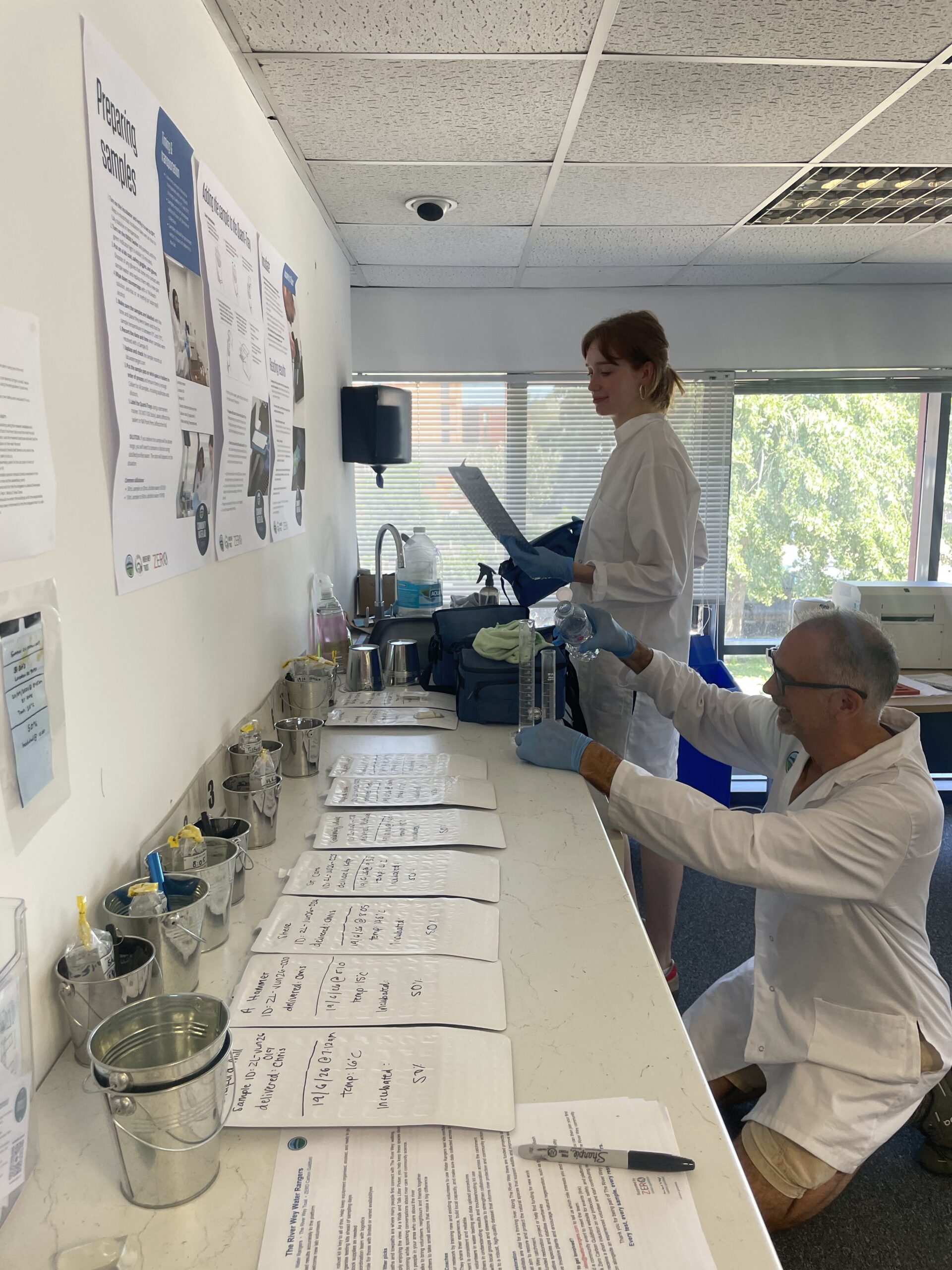
Water Rangers in Action
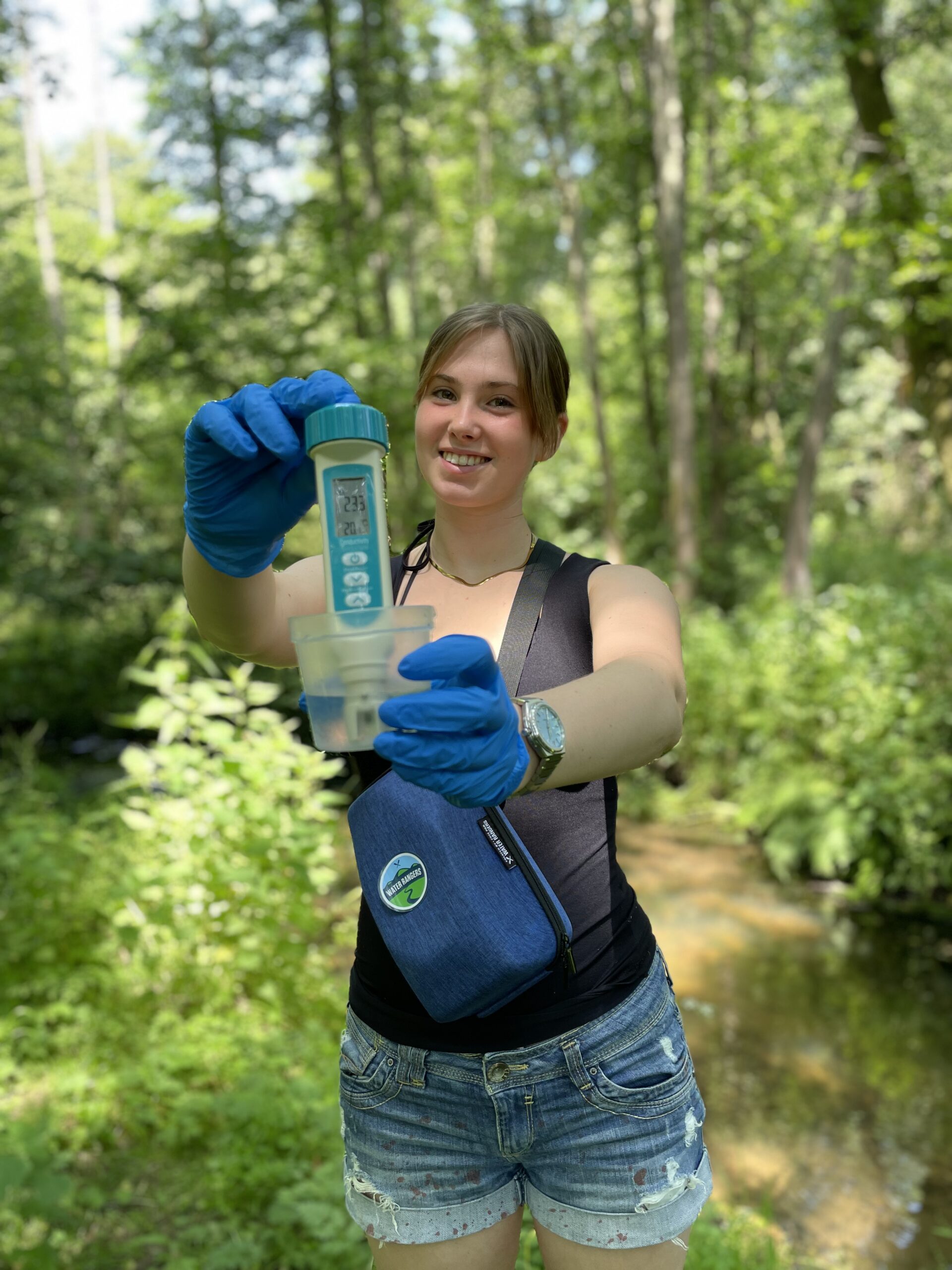
Every test, every conversation, and every shared result helps create a clearer, more connected picture of the Wey’s health and reminds us how powerful community science can be when we all play our part. If you want to get involved or find out more then please send me an email, alex@alexwaterrangers.com
Standing events
- 2nd Tuesday of every month, 12-1pm : Water testing demonstrations with Alex. Come to ZERO and we will head to the river.
- Most Thursdays 10-12pm or 2-4pm : Packing party. Join Alex & Fiona getting kits and orders ready. Check My Impact for details
- Weekend of last Sunday of the month : Water testing weekend and kick testing/Riverfly monitoring at Allee’s Meadow. Testing Point here. The gate to the meadow is here, or park in the Liphook London Road lay-by and follow the path through to the meadow. The path starts here.
If you would like to know more about volunteering with us please email alex@waterrangers.com.