
Lake Erie pilot: new test method for estimating phosphorus
Lake Erie is one of North America’s most important freshwater systems, but it’s under a lot of pressure. Invasive species, contamination, urbanization have changed the lake over the years, and not for the better. The 2025 State of the Great Lakes report indicates Lake Erie’s overall health is poor, with elevated nutrients and algal blooms as key issues.
Last year we published the 2025 Watershed Reports, and found there simply wasn’t enough data to give the watershed a proper water quality score. But the data we did have told an important story. For rivers and streams that drain into Lake Erie, environmental health guidelines for total phosphorus were met only 8% of the time for samples collected between 2019 and 2023.
For people who swim, fish, or just spend time on Lake Erie, these pressures can be visible on the shoreline. Excess phosphorus can fuel the growth of harmful algal blooms, which can affect beaches, water quality, and aquatic ecosystems.
Yet phosphorus testing is usually expensive and lab-based, putting regular monitoring out of reach for many of the communities that need local answers most. So this summer, as part of our Lake Erie Rangers project, we’ve been working with experts from McMaster University and local volunteers to try something different.
Who are the Lake Erie Rangers?
Lake Erie Rangers are volunteers from all around the basin who roll up their sleeves with us to help fill the data gaps for Lake Erie. Alongside expert advisors, they’re helping us pilot new community science test methods, collecting data on E. coli, nutrients, and road salts (chloride).
A new method for monitoring nutrients, built for communities
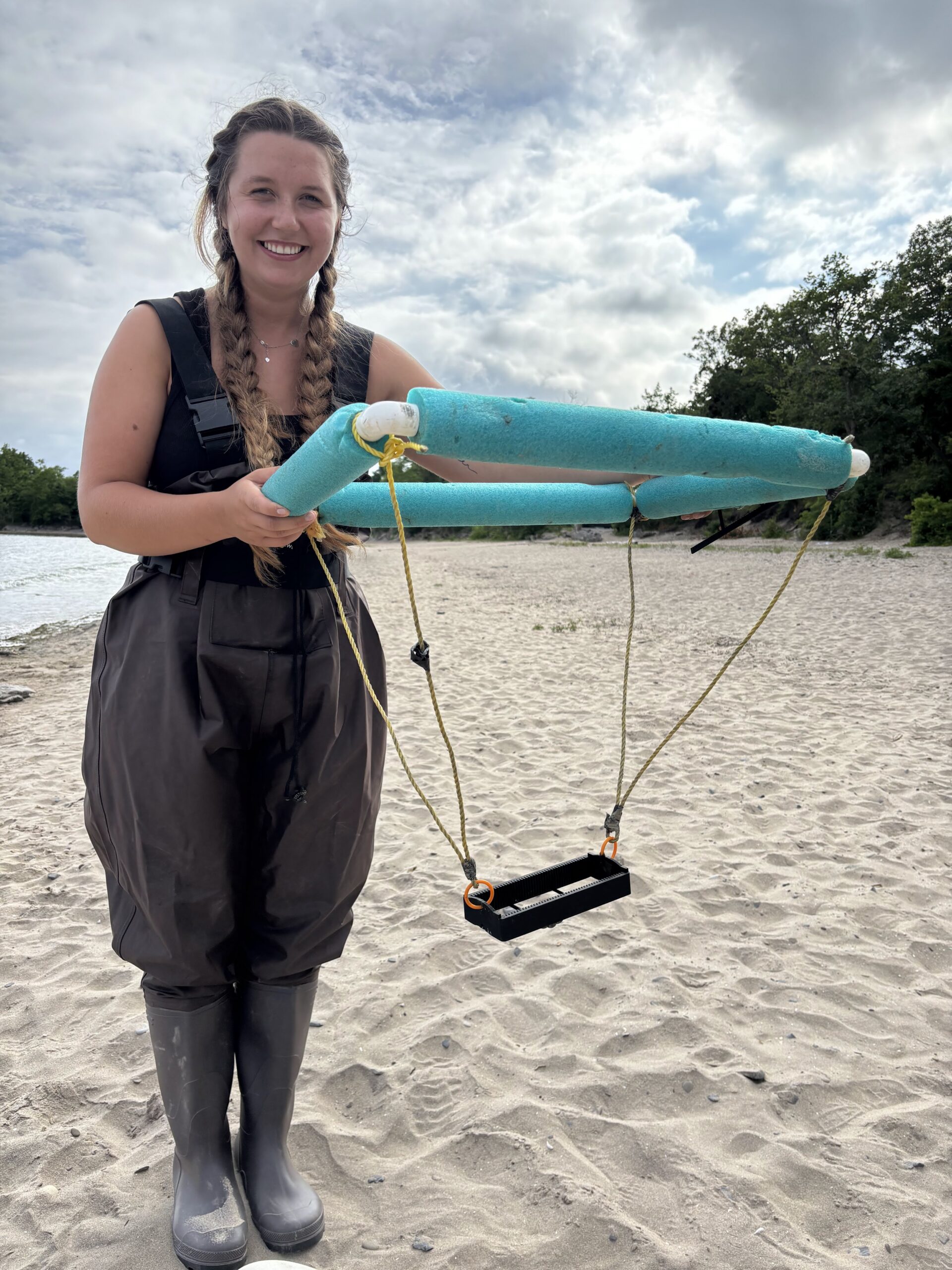
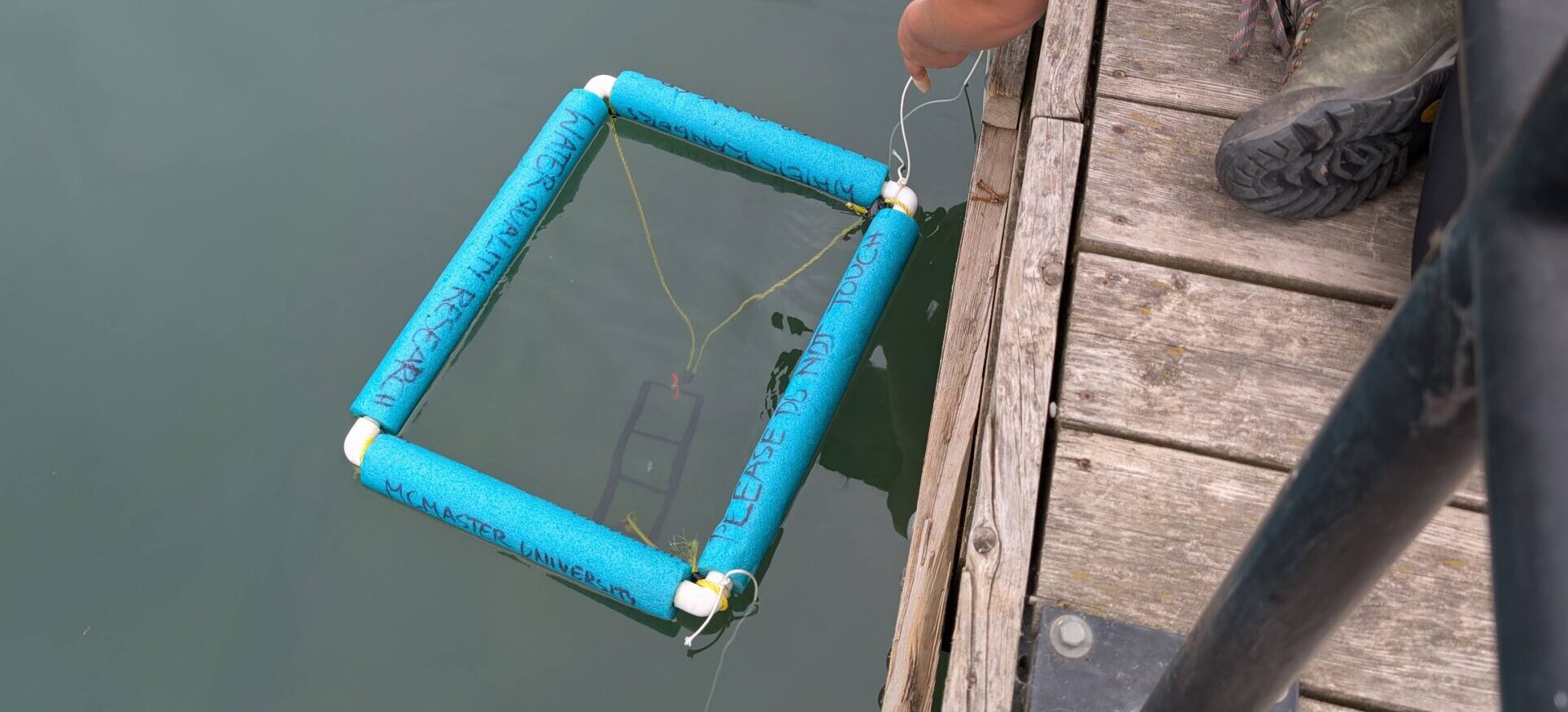
We’ve partnered with McMaster University to pilot a new, community-friendly method for estimating total phosphorus in nearshore waters. Developed by Dr. Pat Chow-Fraser and her PhD student Karolina Charczynska, the method uses a simple floating device called a periphytometer.
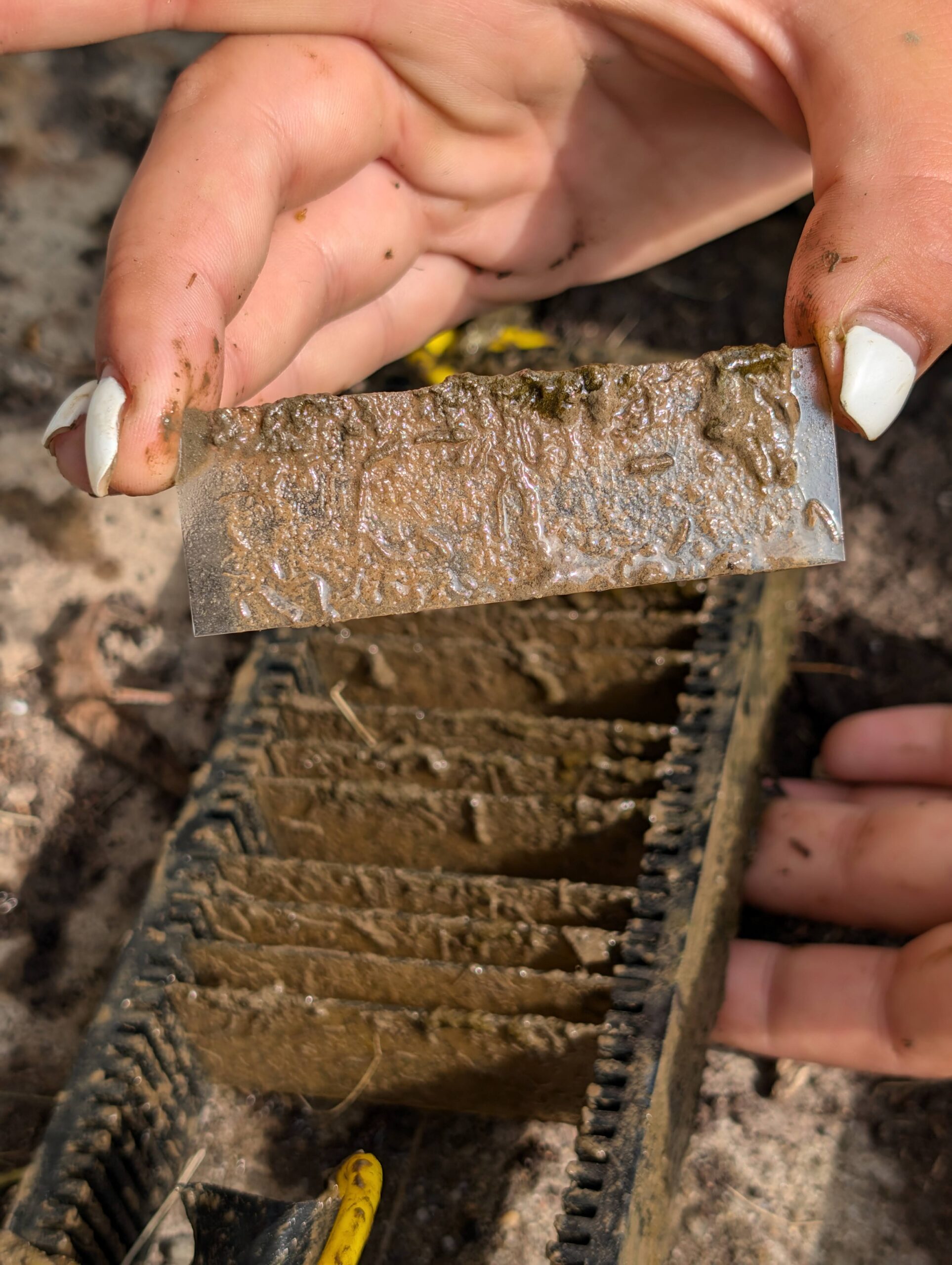
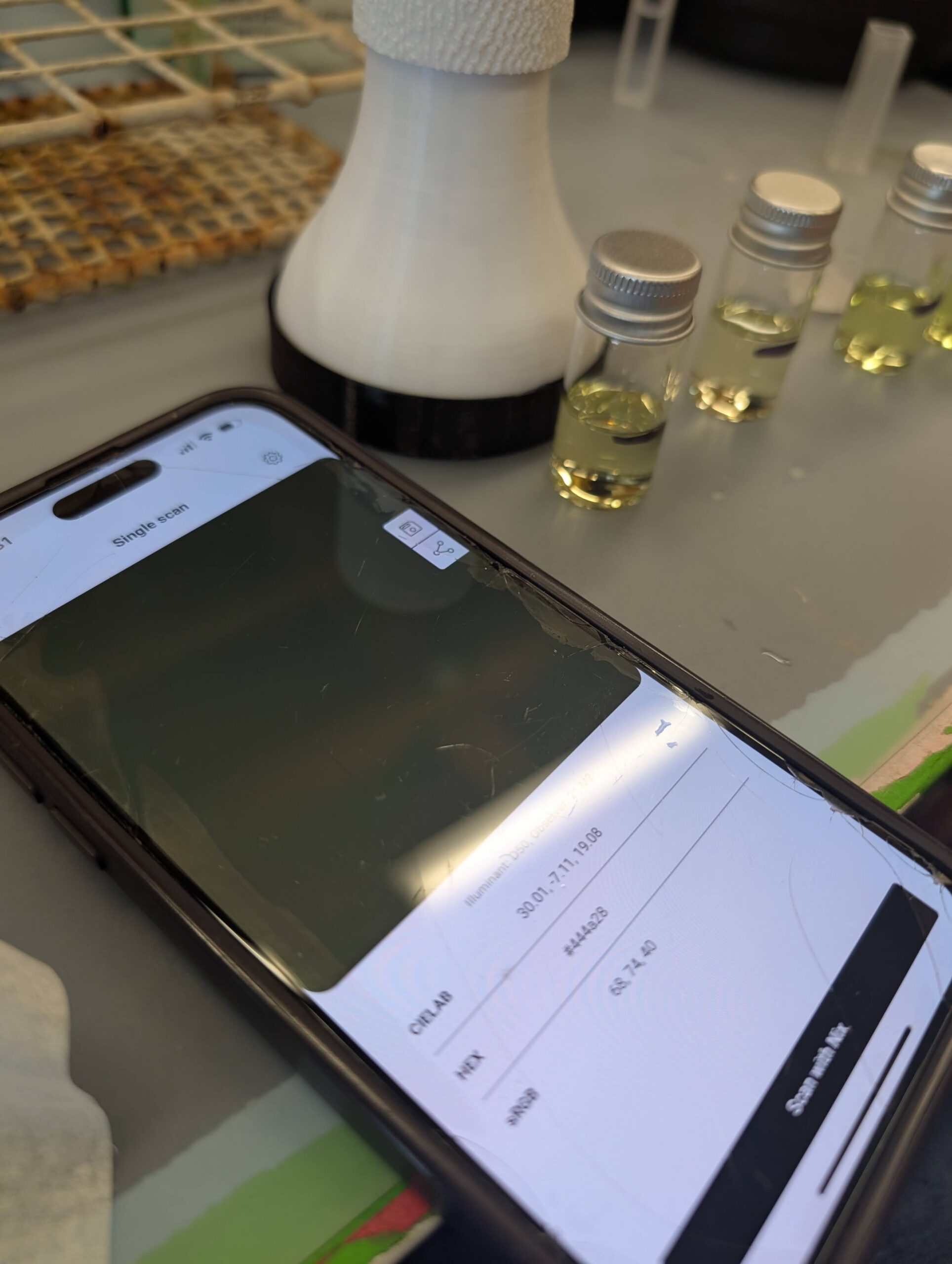
The device holds glass slides suspended in the water column. Over time, periphytic algae, which is the algae that naturally grows on rocks, sediment, and even turtle shells, accumulates on the slides. The amount of algae that grows can then be used to estimate the amount of total phosphorus in the water.
The results so far are promising, and we’re excited to keep learning alongside McMaster and the volunteers as the pilot continues.
A week along the Lake Erie shoreline
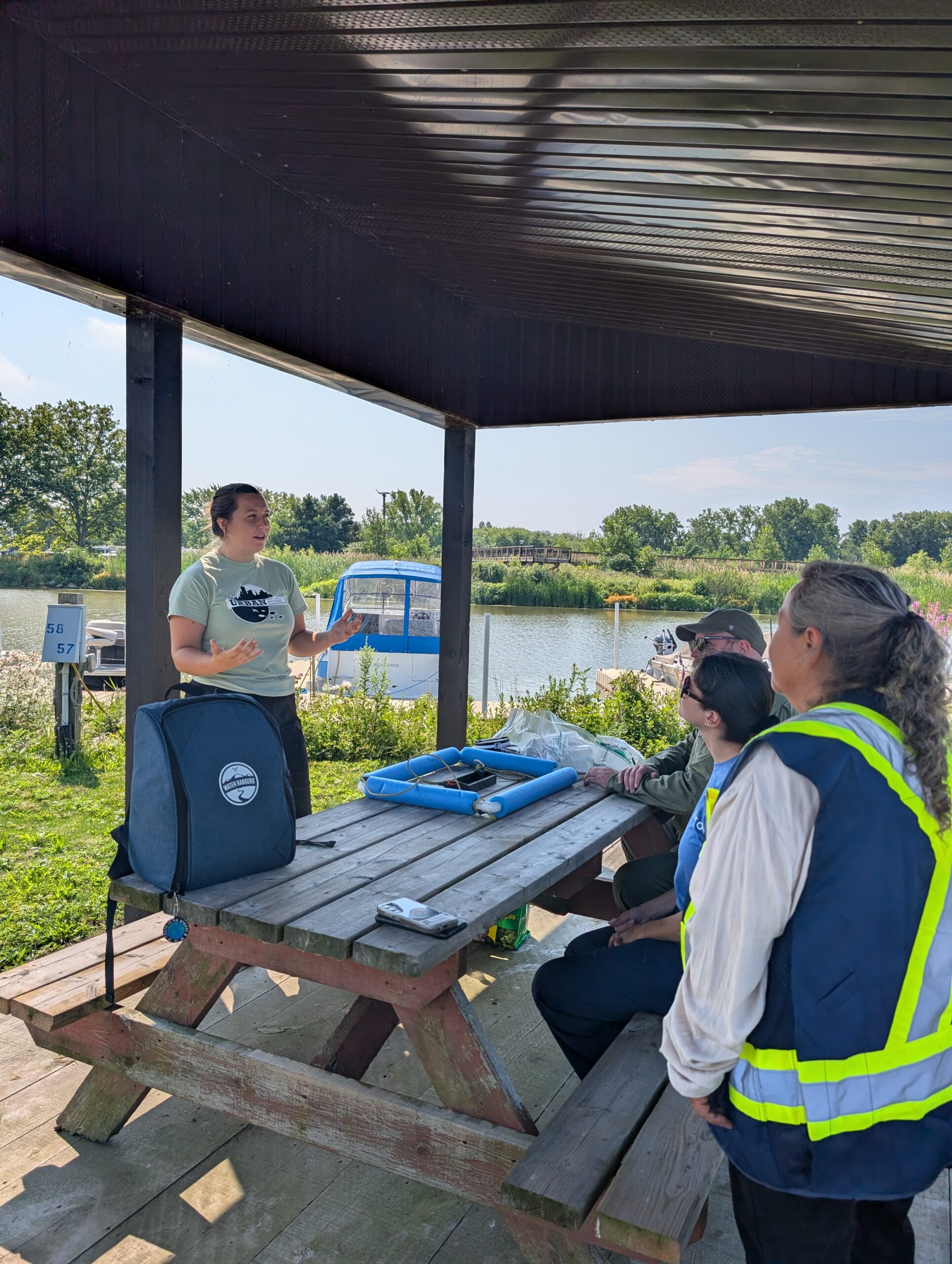
This is our third field season piloting and refining the test method together, and last week might have been our best yet! We travelled the length of Lake Erie, hosting workshops to teach community members how to run the test.
It’s hard to put into words how good it feels to be welcomed so warmly, site after site, by people who care so deeply about our shared waters. We’re incredibly grateful to all of the Lake Erie Rangers volunteers and community members working with us. They aren’t just collecting data; their feedback is helping us improve the test method for communities across the lake. None of this work would be possible without their passion and commitment!
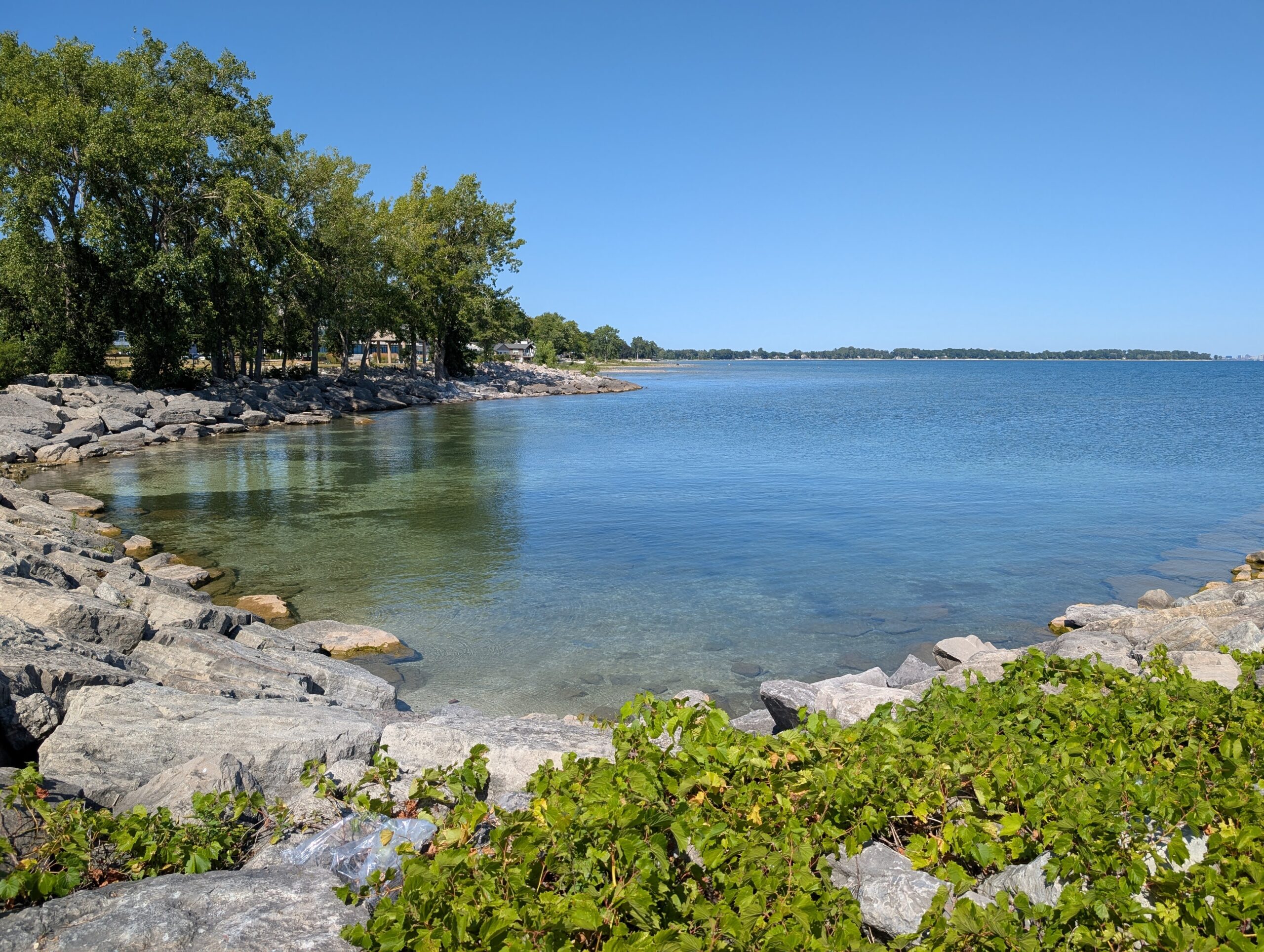
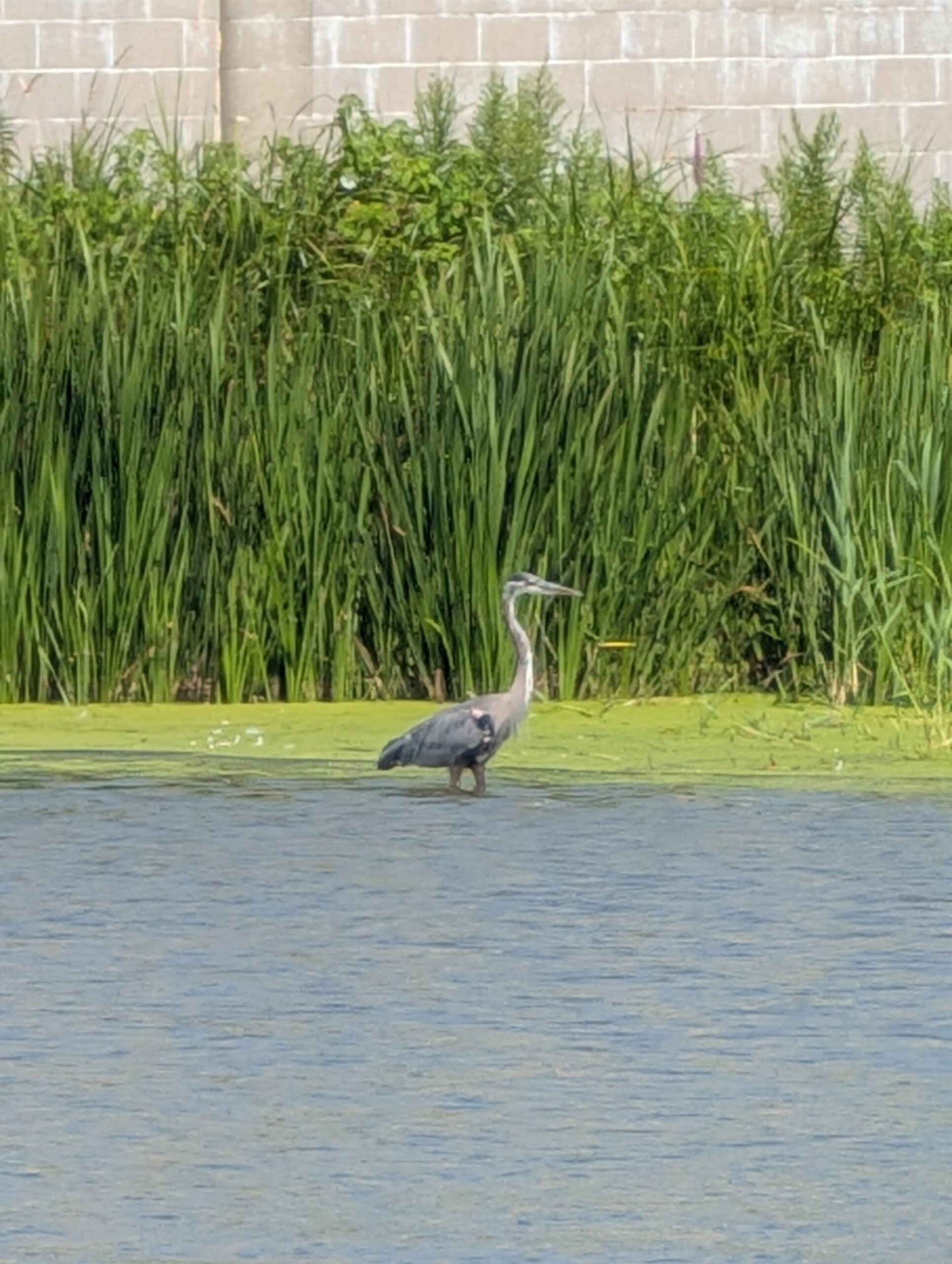
We left the week feeling grateful for the people who welcomed us, and for the lake itself. Along the way, we spotted an osprey, an eagle, Great Blue and Green Herons, and, as a particularly memorable way to end the week, a Spiny Softshell Turtle.
Thank you to the Canada Water Agency
This work is only possible because the Canada Water Agency believed in it. The Lake Erie Rangers project is a three-year initiative, running from 2024 to 2027, made possible through a $330,000 grant from the Canada Water Agency under the Great Lakes Freshwater Ecosystem Initiative. We’re deeply grateful for their support and for the trust they’ve placed in communities to be part of the solution.
