
October along the Wey
Another busy month!
This month’s Water Testing Weekend is an early one!
Please go out and test between Friday 23rd and Monday 26th October, and don’t forget to upload your results!
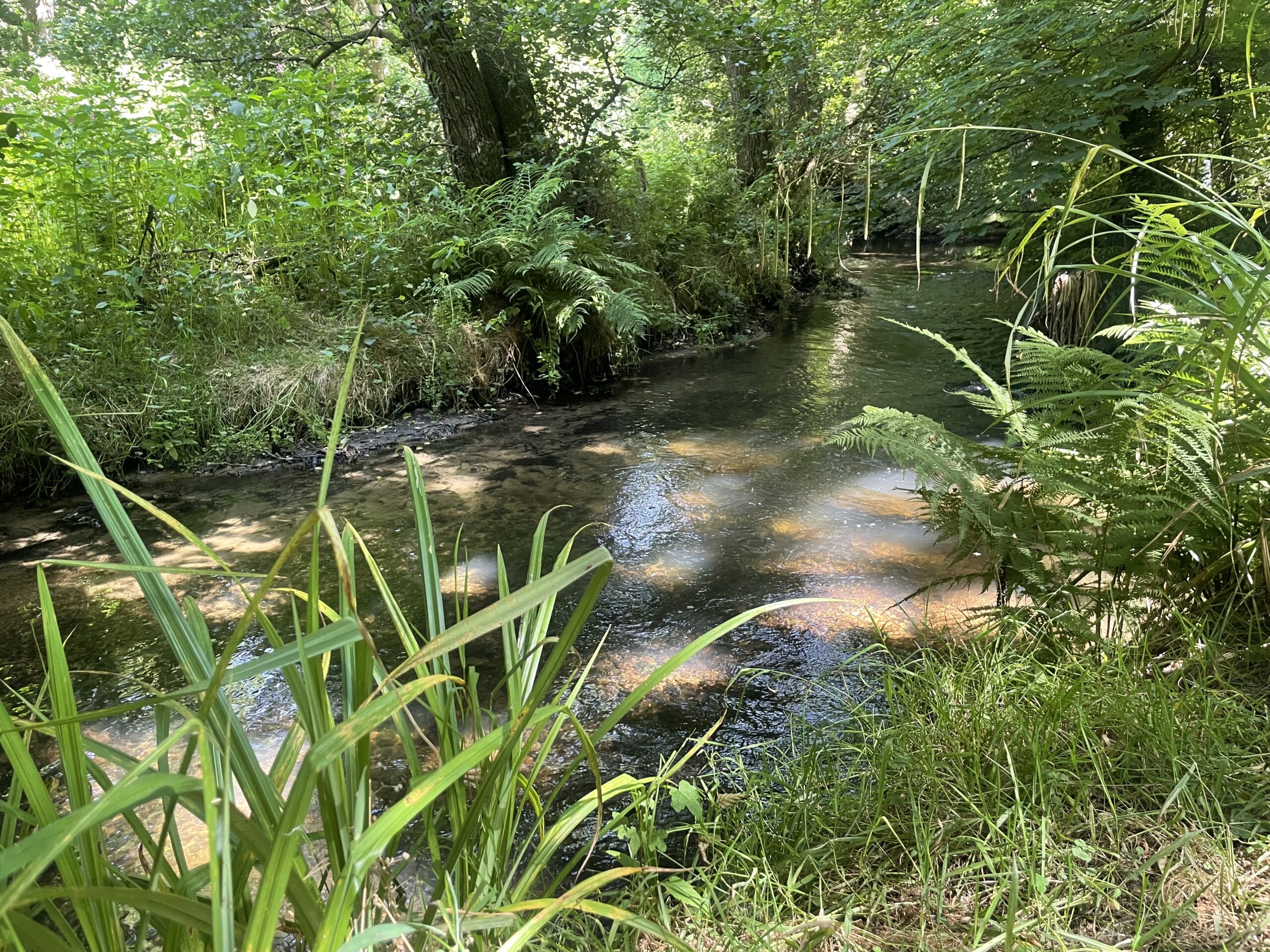
It’s been a mixed bag of weather this month: warm days, dry days, and some very, very wet days. Despite all that rain, the chalk-fed parts of the upper Wey are likely to stay low for a while, as it takes months for rain to soak through and top up the groundwater. After last weekend’s downpours, E. coli levels at most of our test sites shot up; it will be interesting to see what this week brings!
It’s certainly feeling autumnal out there, but come rain or shine, our testers are out collecting samples and uploading their data. A big thank you to all of you!
What we’ve been up to…
It’s been a busy month of walks, talks, conferences, school visits and planning for next year. Here’s what we’ve been up to.
Out and about
National Emergency Briefing
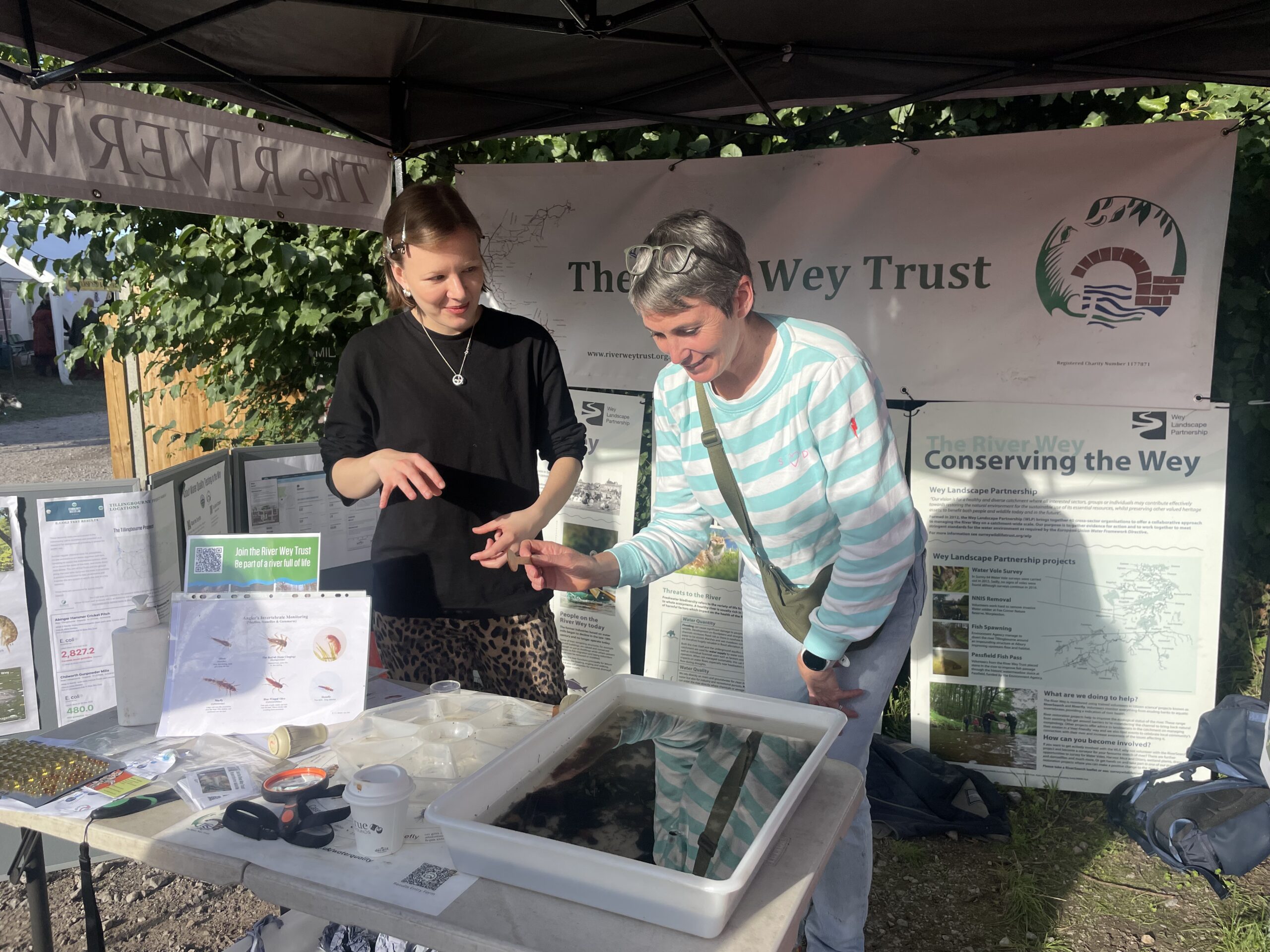
We started the month at Onslow Village Church for a screening of the National Emergency Briefing. If you haven’t had a chance to see it yet, I’d really urge you to. The church kindly gave us a table at the event, so we got to chat to people about water testing and the Wey catchment. Thank you to everyone who came over to ask questions and try out our kit.
RMCP & WLP Event
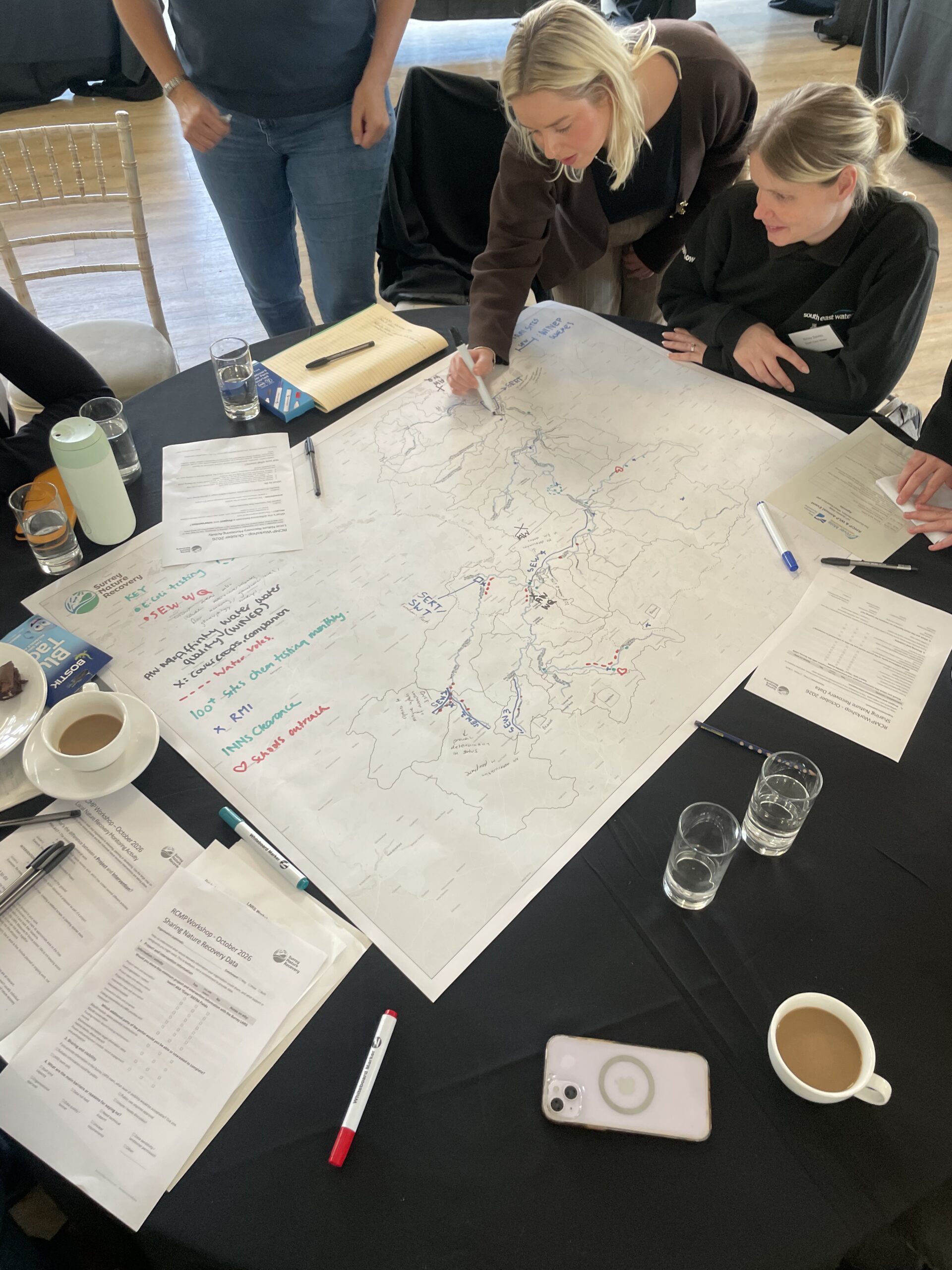
Mid-month we went to a fabulous event organised by Surrey Wildlife Trust, bringing together the Mole Catchment Partnership and the Wey Landscape Partnership. Talks covered water vole releases in the Wey catchment, eDNA (environmental DNA) and how we can use it, and some brilliant innovation in eel passage. Laura Vaughan-Hirsch from Knepp finished with an inspiring talk about the Knepp storks that have set up home in Guildford.
Adam Brown and Rob Schwar from Surrey County Council also ran a whole-room mapping workshop for the Local Nature Recovery Strategy. It was great to have so many groups in one room. There were mapping overlays on top of overlays, which shows how many of us are working towards the same goal in our own ways. The next step is to join those efforts.
Blackmoor Apple Tasting
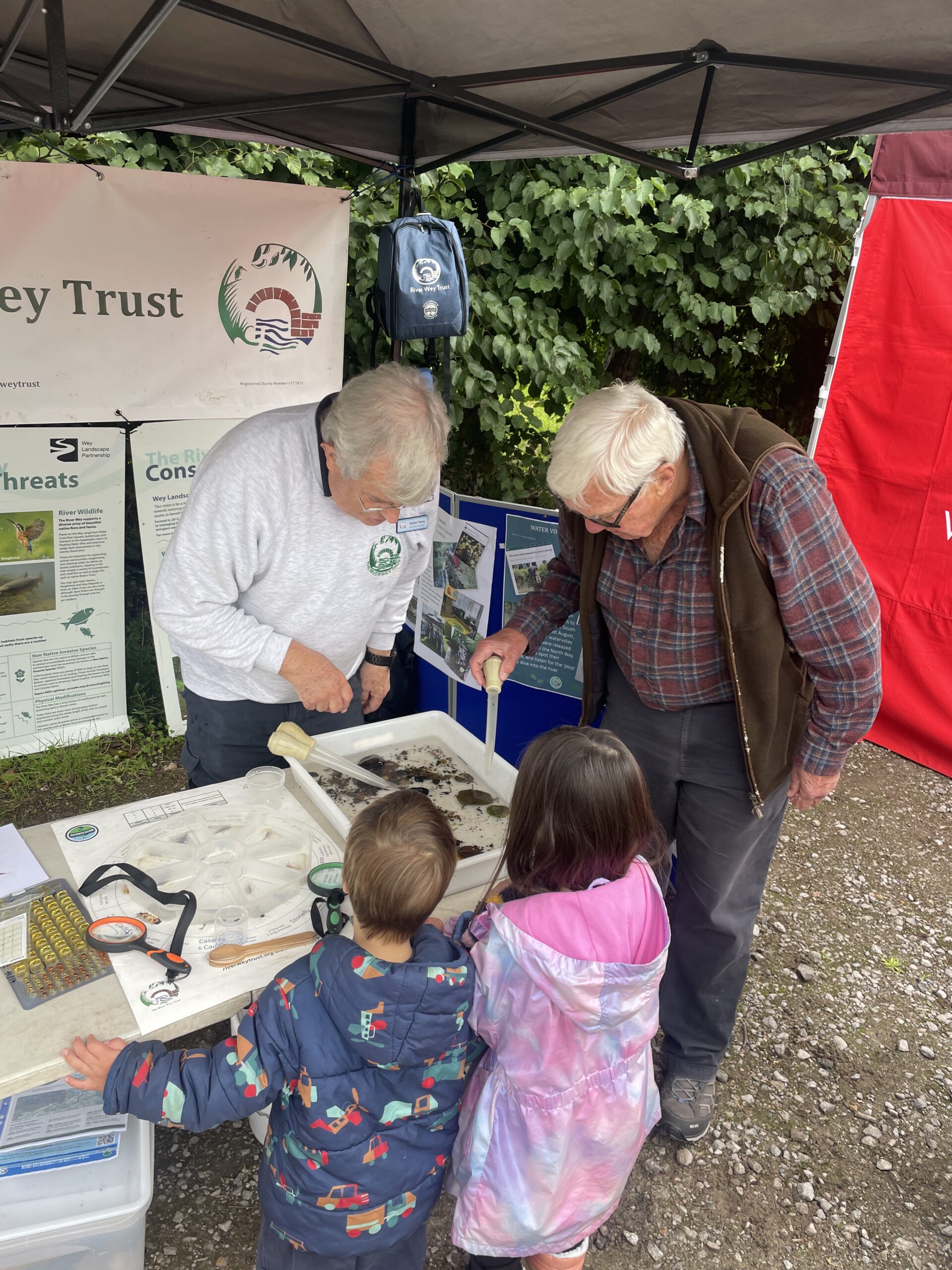
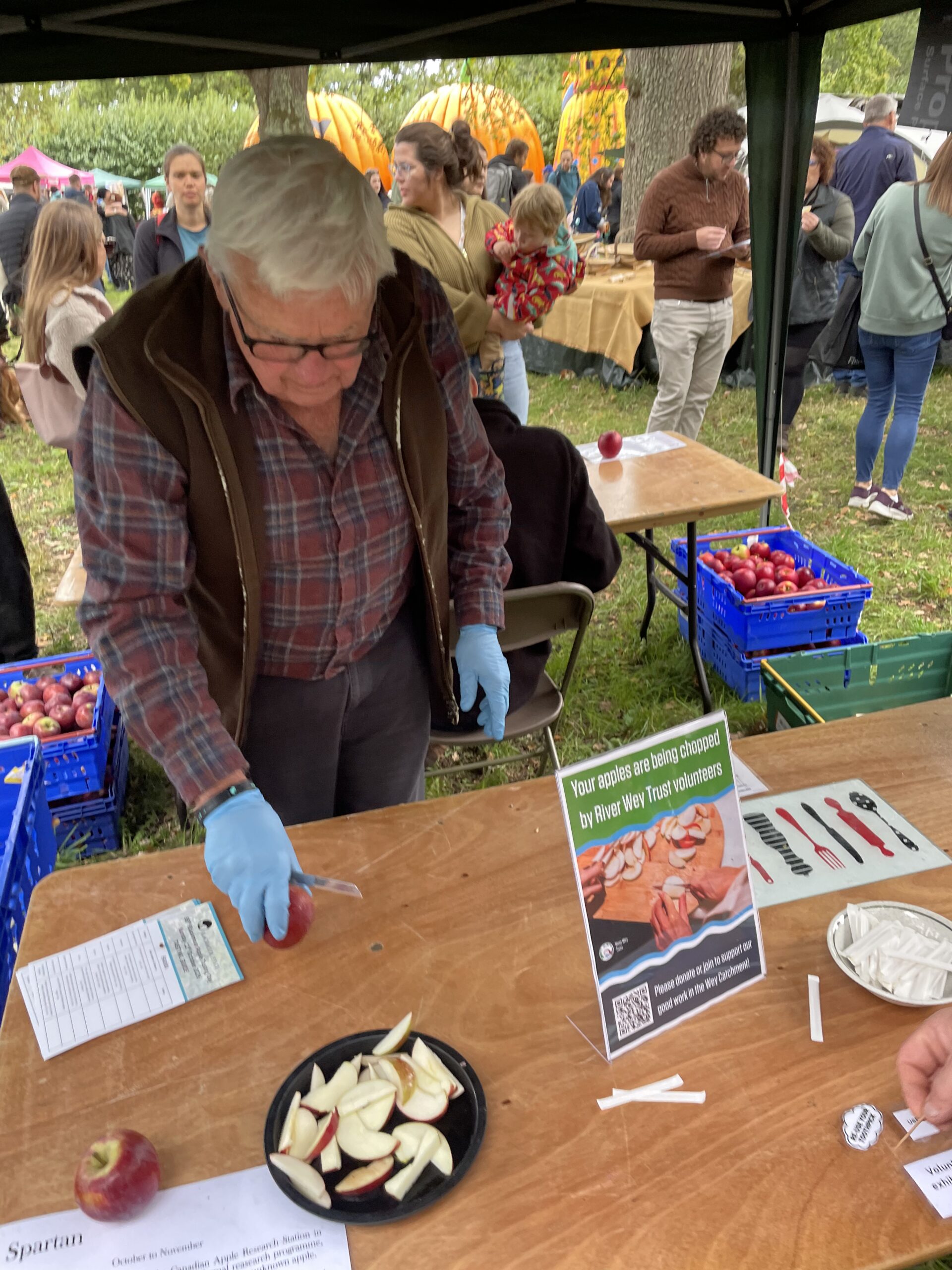
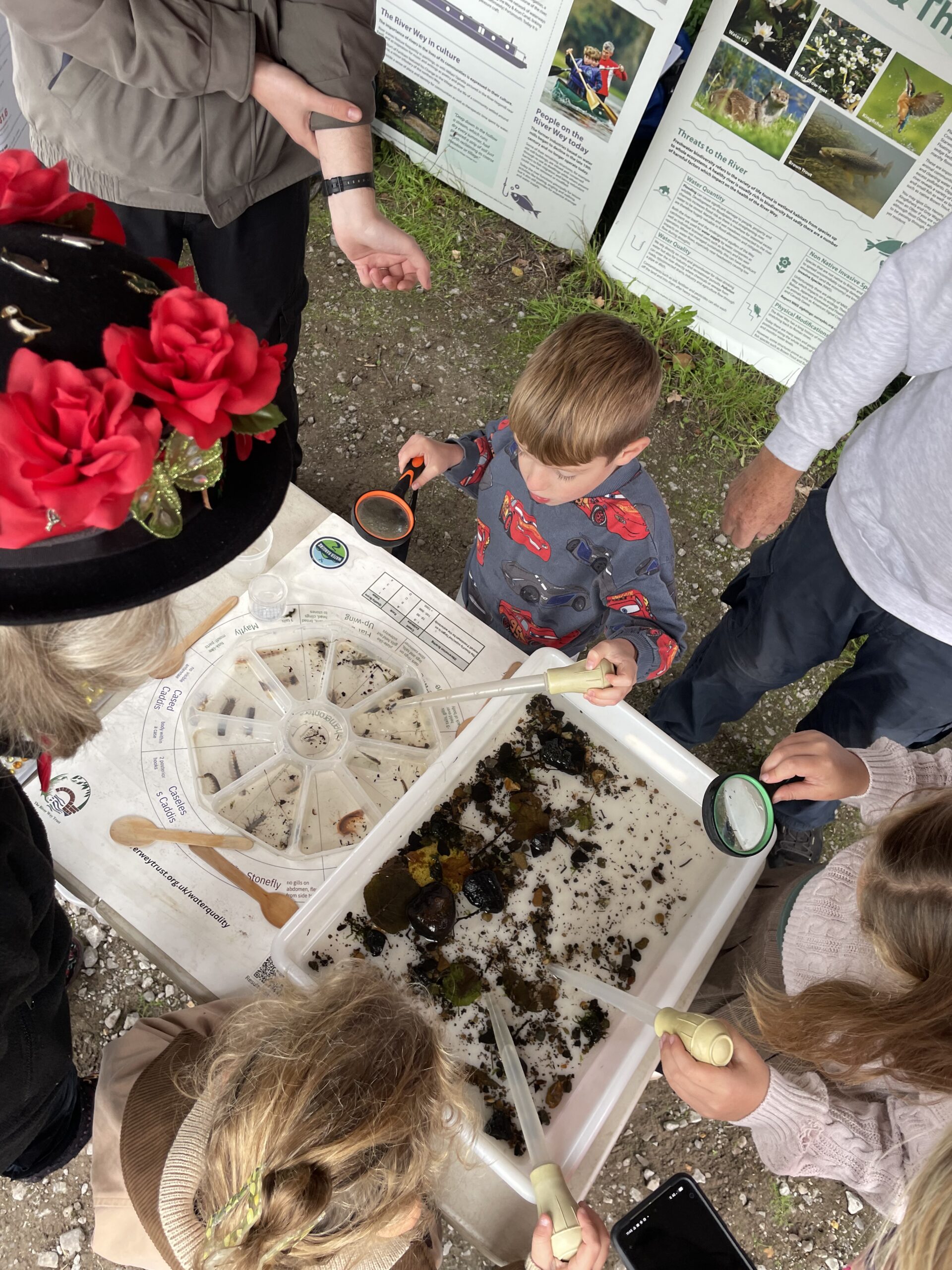
The River Wey Trust also had a stand at the Blackmoor Apple Tasting, with a tray of river invertebrates and the Water Rangers kits. It was a really busy day, with lots of little visitors keen to see what was wriggling in our tray. We had so many lovely conversations, and between them we chopped more apples than you’ve had hot dinners!
Howard of Effingham
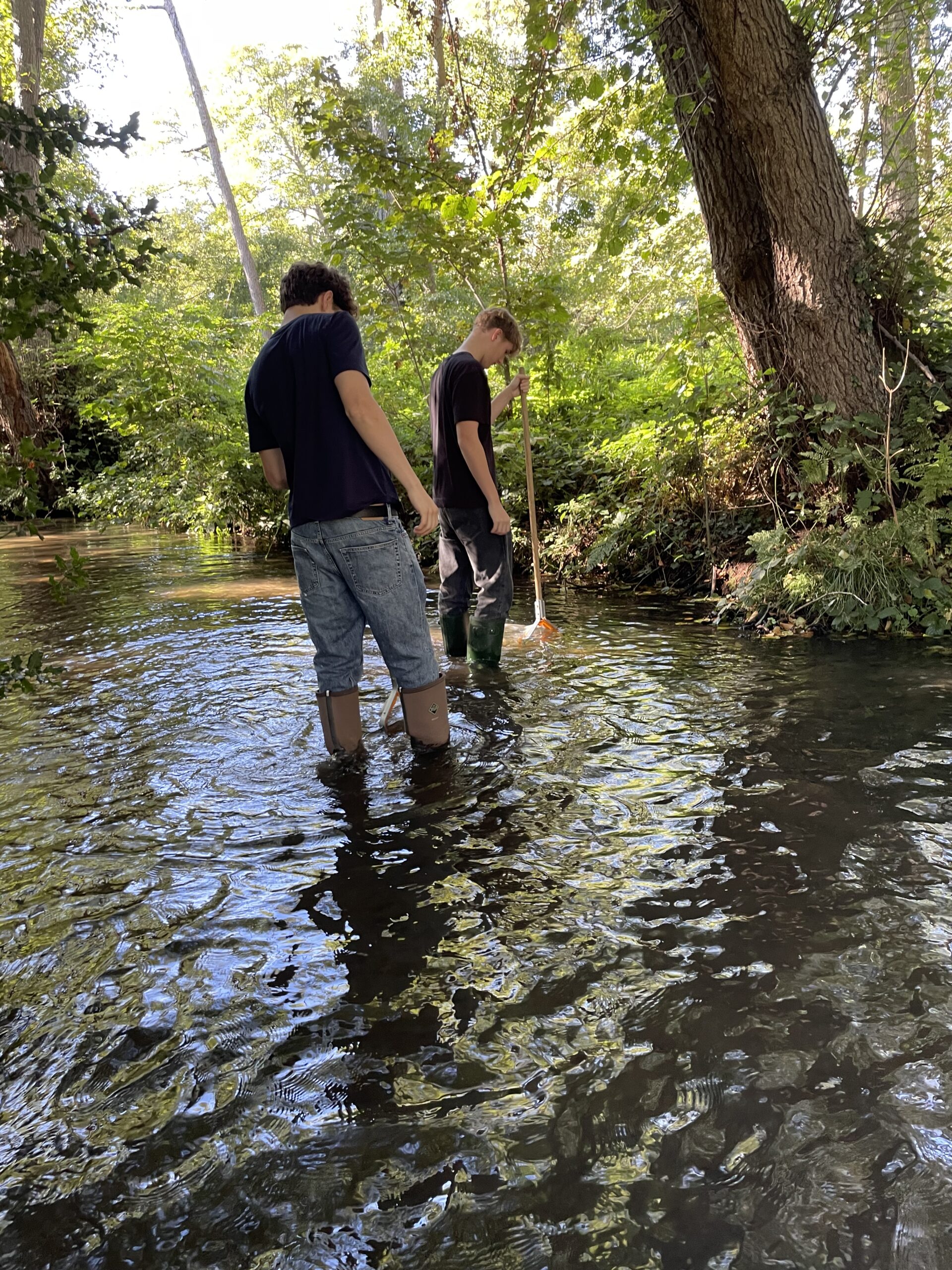
On the 5th October, Alistair and I headed to the Tillingbourne to meet Environmental Science students from Howard of Effingham sixth form. It was a beautifully warm afternoon and a joy to be in the river. The students collected kick samples and studied the invertebrates on the bank. Numbers were rather low, and we think that’s because the spot is popular with dogs. Research from Imperial College London suggests that flea and tick spot-on treatments for pets are harming freshwater invertebrates.
Liphook Federation
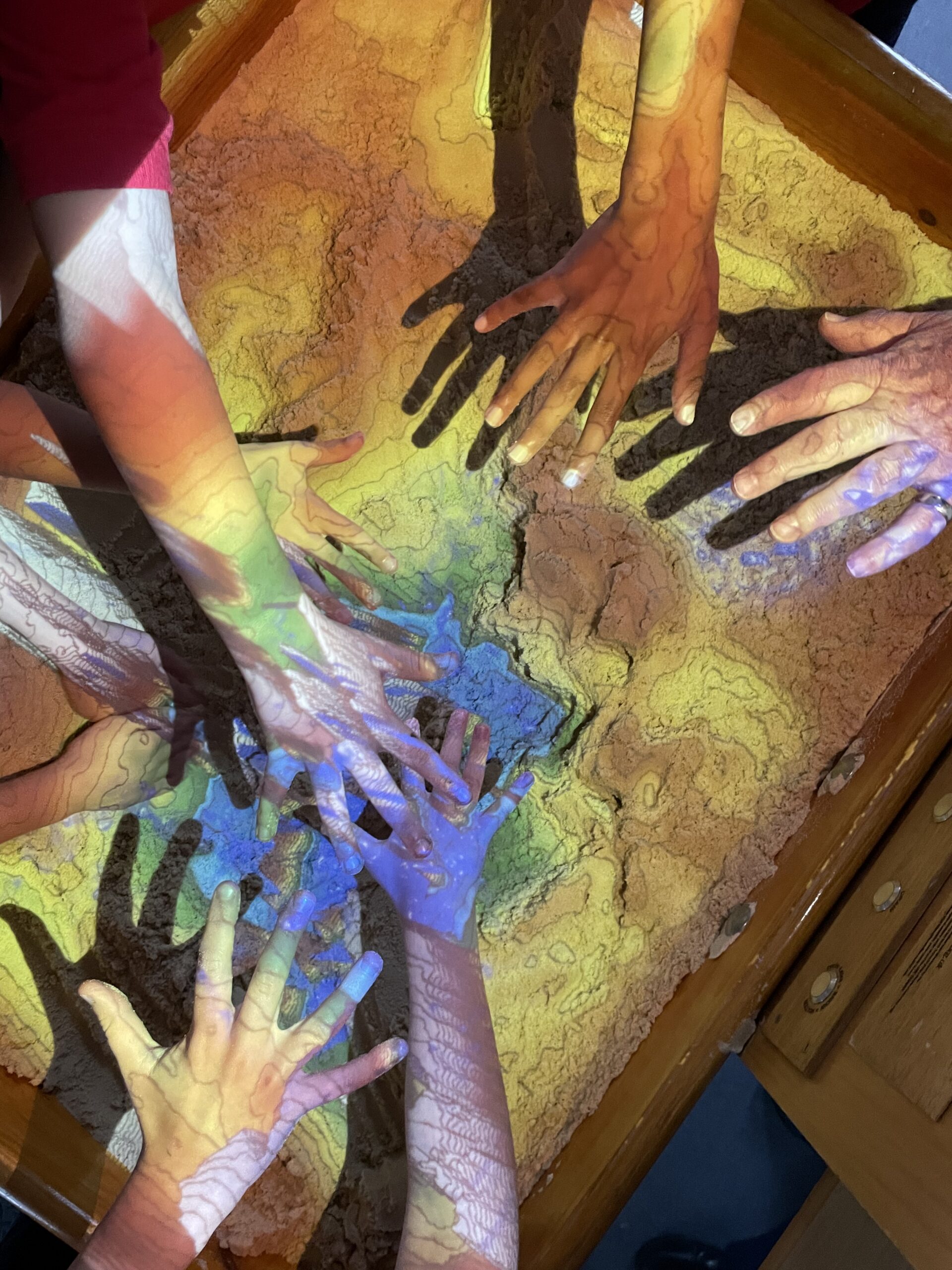
Thanks to the great British weather, our trip with Liphook Federation moved from Radford Park into the classroom. We still had a great session on riverfly monitoring and chemistry testing, and Year 5 proved to be quite the river scientists. Alistair went back afterwards with the AR (augmented reality) Sandbox, a sandpit with a projector and motion sensor, so the children could build mountains and flood valleys. I have never seen children so engaged. One child whooped with joy and said he was definitely asking for an AR Sandbox for Christmas!
Bohunt Main School
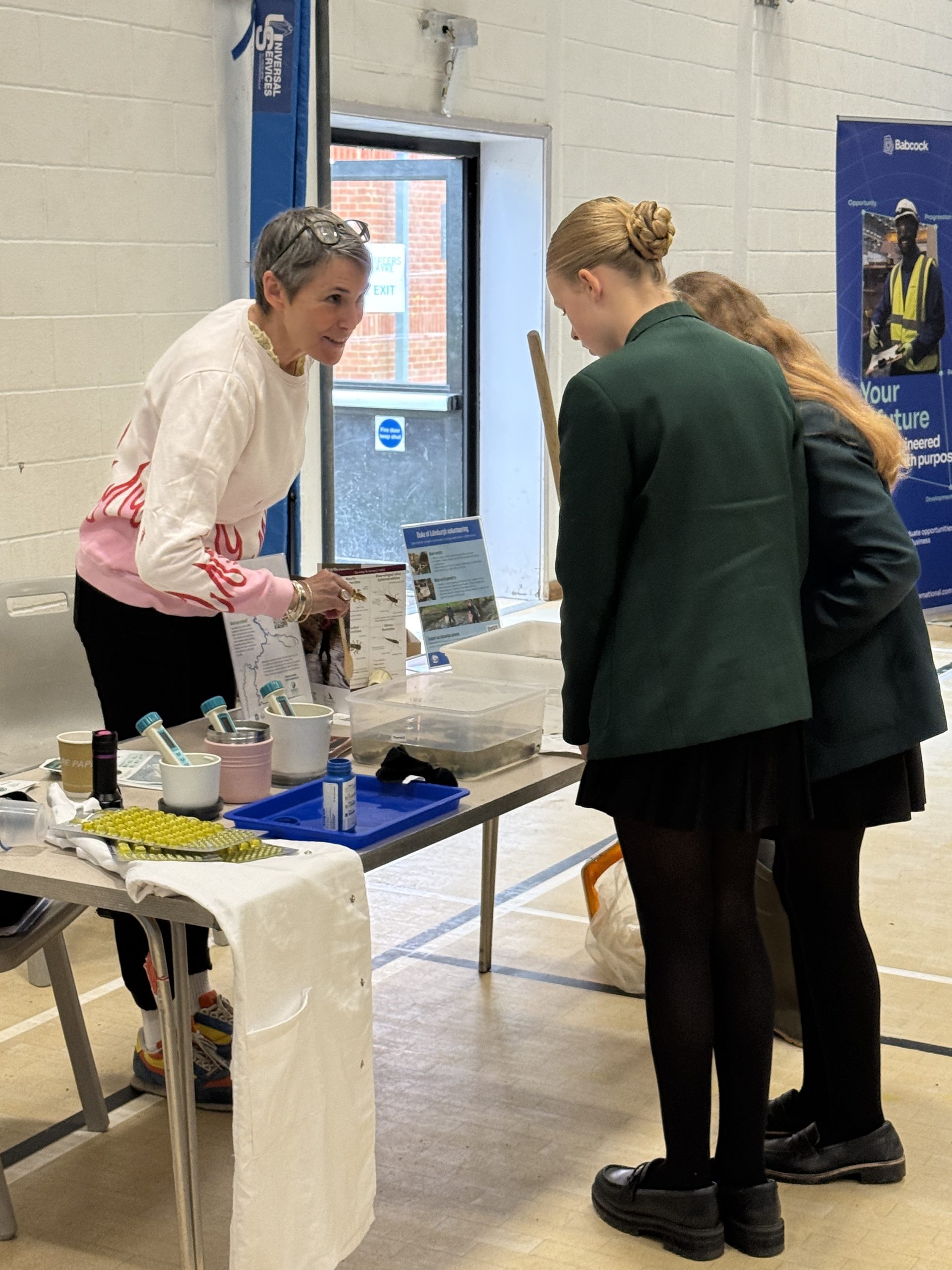
On 15th October I went to a careers event at Bohunt in Liphook. Once again, the riverfly samples from the Wey were a big hit. I had a steady stream of visitors, from the simply curious to students already passionate about freshwater fish. River guardians in the making!
Later this month, students from the University of Surrey are coming to visit our Community Water Lab at ZERO Carbon Guildford.
Tillingbourne update
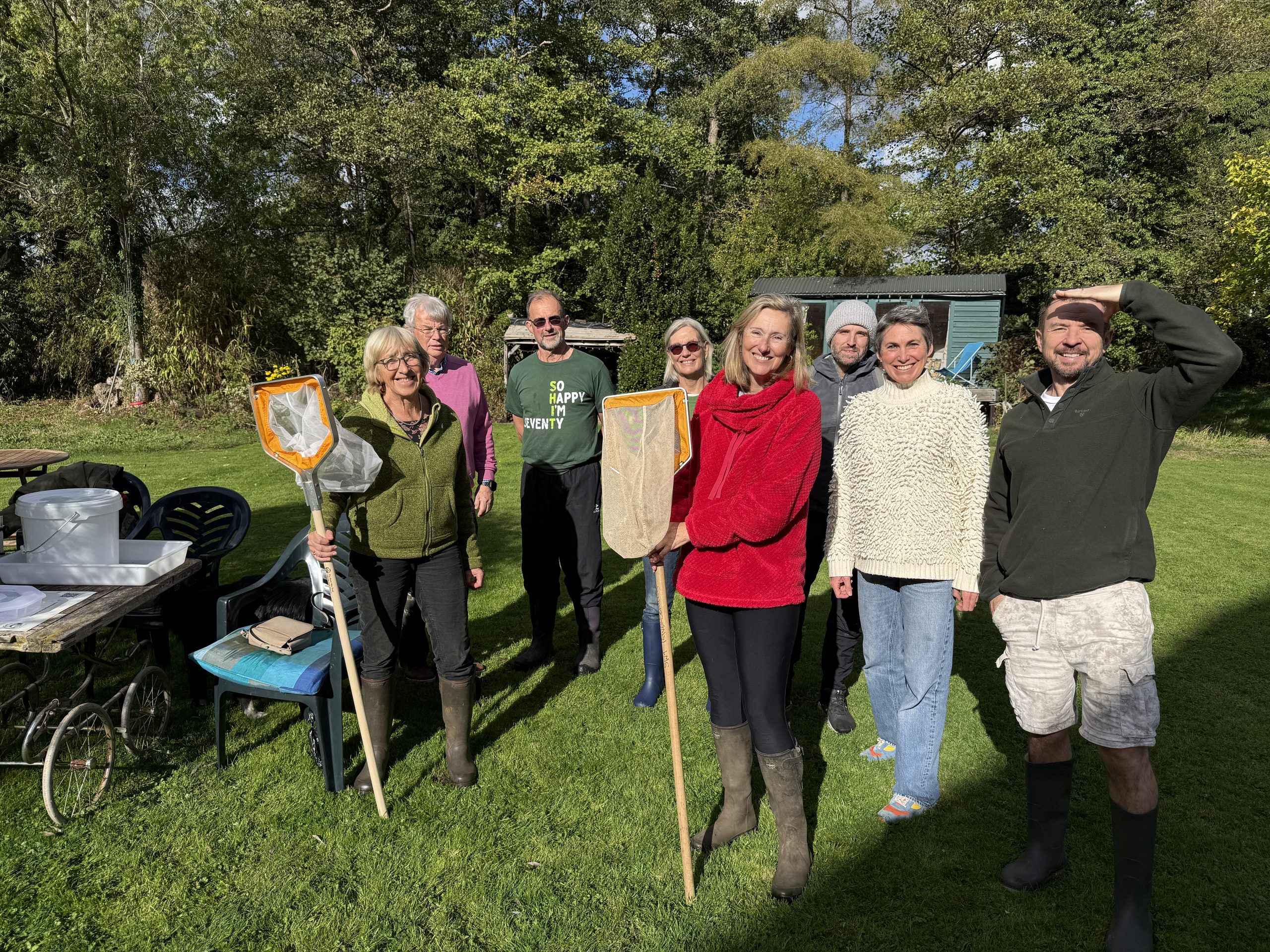
Last weekend we ran a kick sampling workshop with the Tillingbourne Dippers, which included some exceptional cake!
Following on from September’s eDNA results, the next step is some autumn wetland planting, using a seed mix recommended by the Environment Agency. We’ll share more details soon.
Duke of Edinburgh
A big shout-out to Toby, who got in touch wanting to test the Ripley swim spot. Toby has been testing for three weeks now and uploading every result and photo. You can see Toby’s data here.
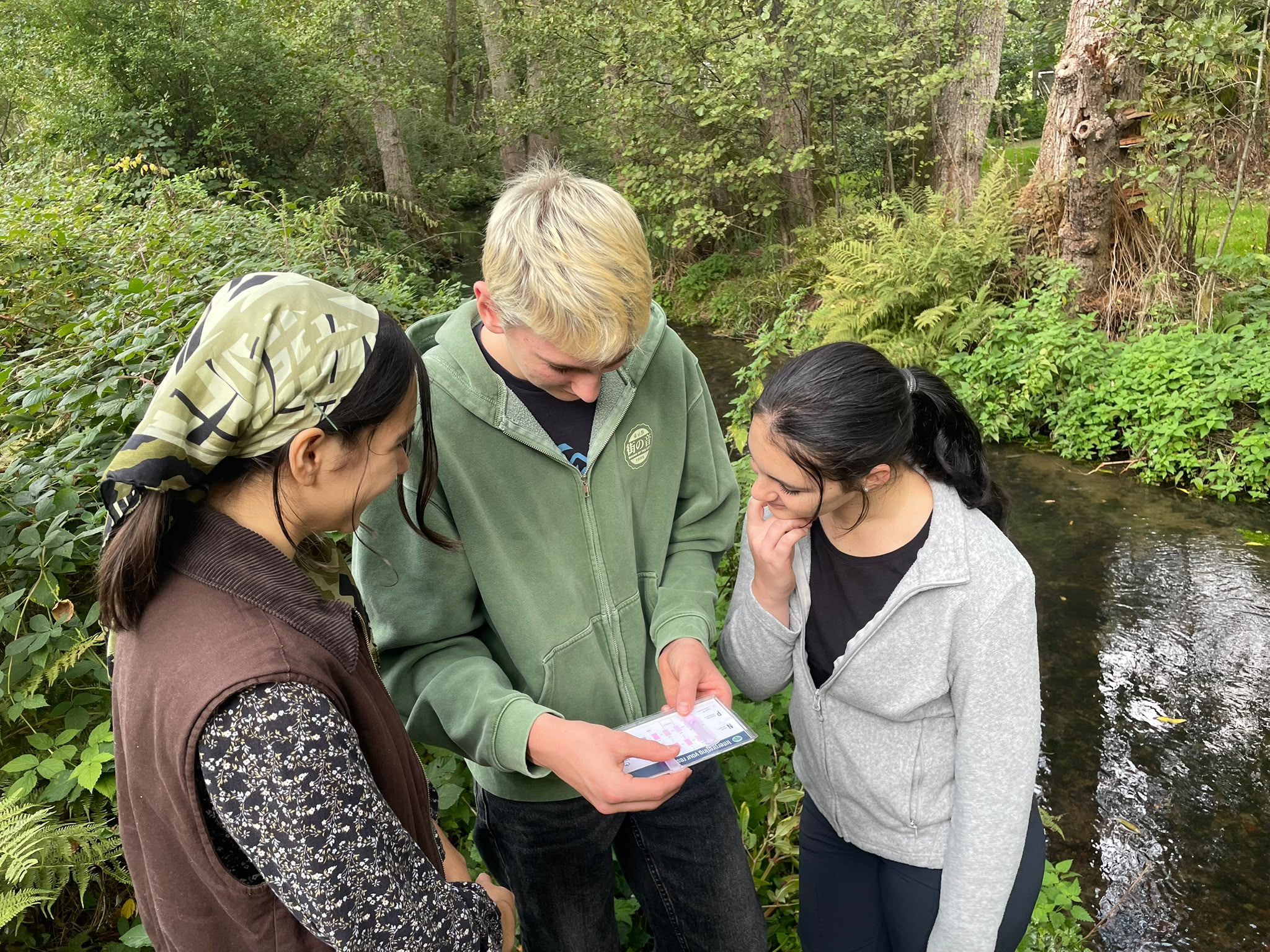
We’d love to support more Duke of Edinburgh students and are working out the best way to do it. We have a new test site at Radford Park in Liphook, so if you’re local, we’re asking students to buddy up, with a little help from parents. To find out whether it could work for you, email Alex.
In the field: why are E. coli levels so high?
You may have noticed some very high E. coli results this month, especially last weekend. It’s a big jump, and it’s natural to wonder what’s going on.
The main reason is rain. After a dry spell, heavy rain washes everything that has built up on roads, farmland and paths straight into the river: animal waste, soil and whatever else is lying around. Faster, higher water also churns up silt in stretches where it has settled, and E. coli can survive in that silt. Storm overflows tend to spill during heavy rain too, so we can’t rule out sewage. You can check recent spills on Thames Water’s storm discharge map.
To help tell these sources apart, we’re planning a programme of ammonia testing at selected sites (details to follow). Ammonia is a good clue for sewage.
If you’re planning to swim or paddle, it’s best to wait a few days after heavy rain while the river clears and make sure you don’t have any open wounds.
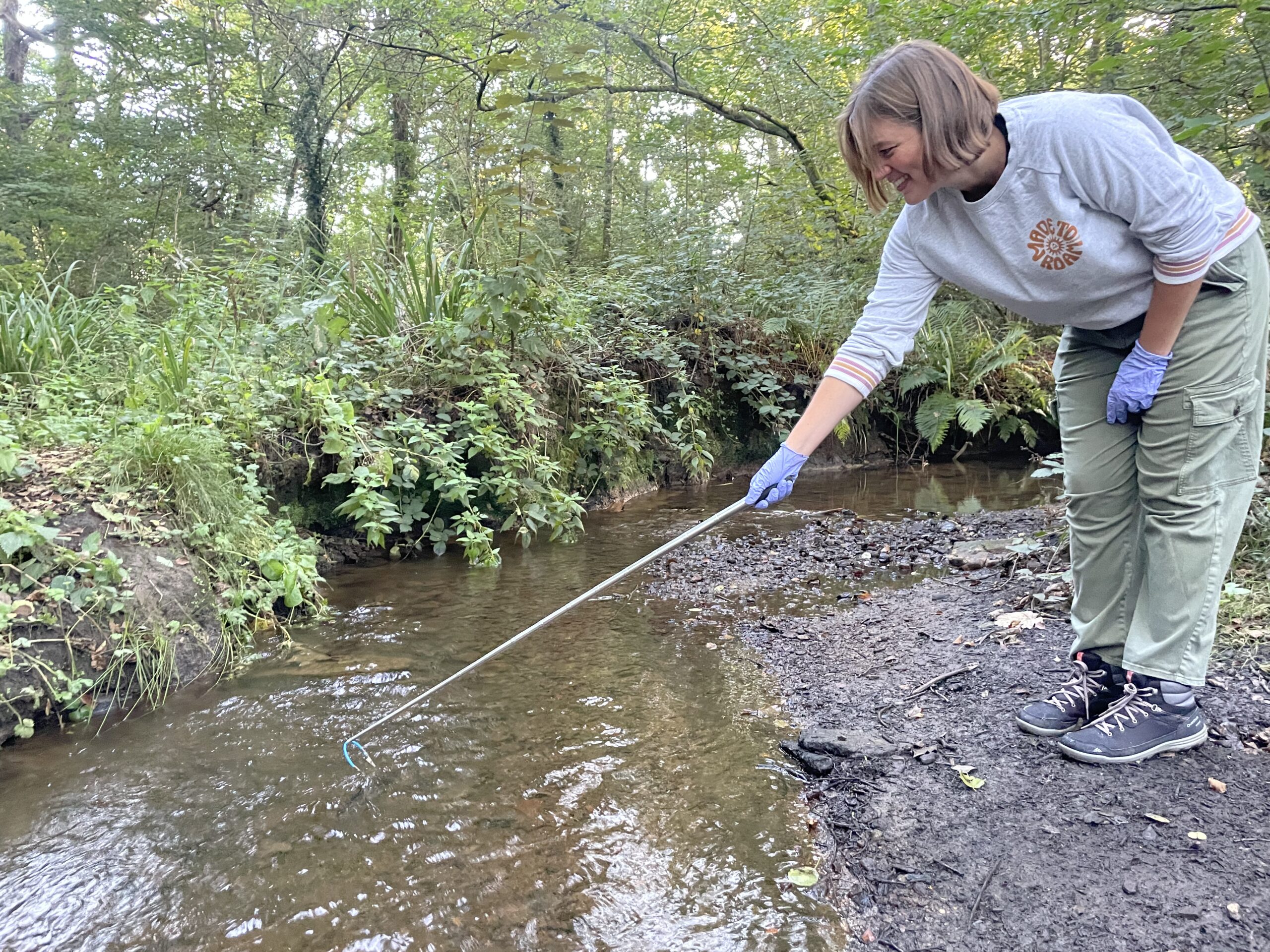
A quick sampling tip: whether you’re testing for E. coli or chemistry, collect your sample from a flowing section of the river, about 10-15 cm below the surface (unless it’s shallower than that), and try not to stir up the riverbed. Silt in a sample can skew the results.
Thank you to everyone who got out and tested in the wet! These are exactly the moments when community data matters most, because they show what really happens to the river when the weather turns.
For a dive into the data, head to the Water Rangers data map.
In the lab
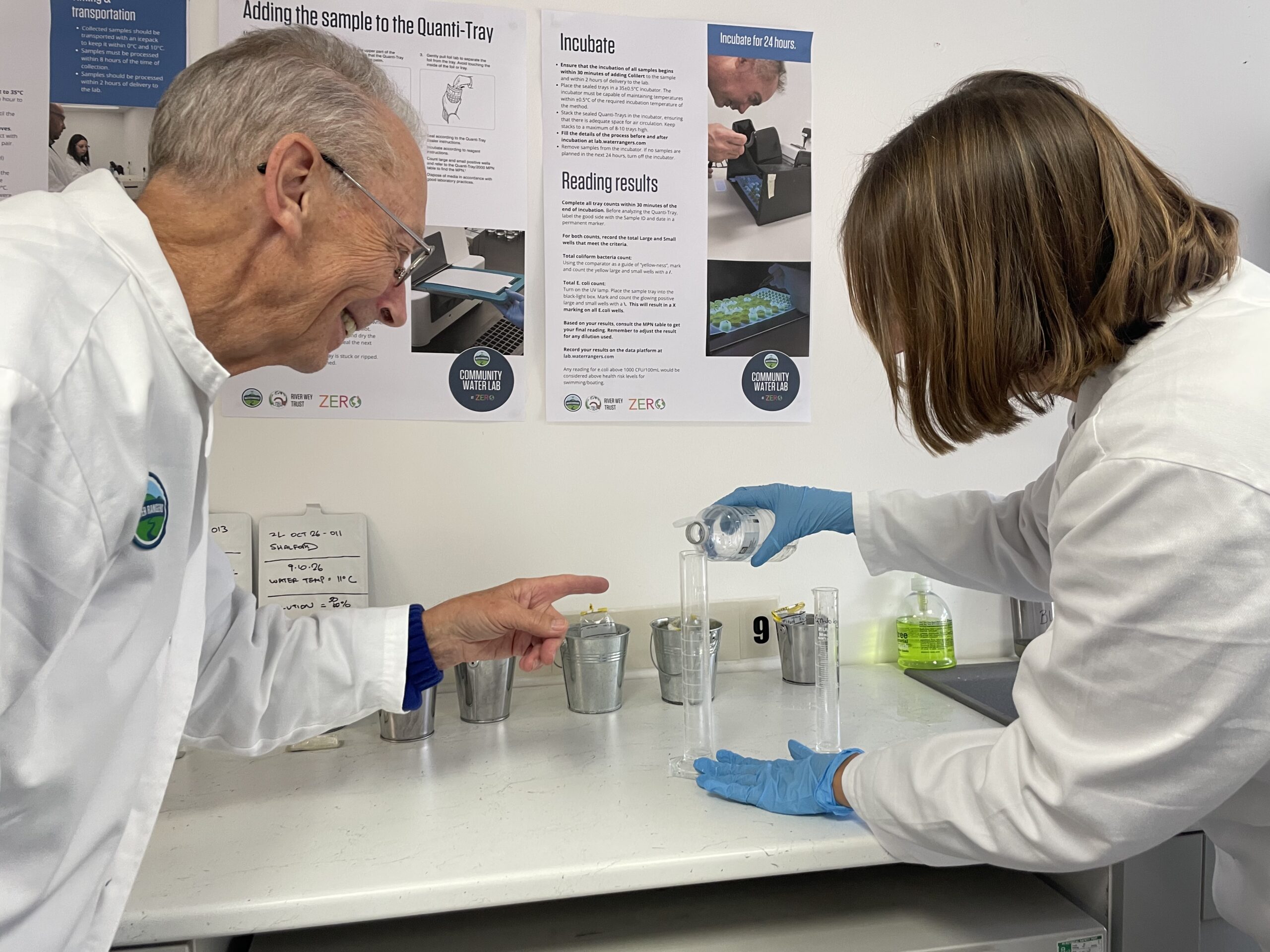
Our goal of training five new lab leads is going really well, and we’re grateful to everyone who has given their time and energy. We now have a brilliant, reliable crew processing around 12 E. coli samples a week. Thank you also to those still in training and those who are looking to step into the role.
What’s next
Friday 23 to Monday 26 October: Water testing weekend
Sunday 25 October: 10am-12pm. Kick sampling at Allee’s Meadow
Thursday 29th October: 6-9pm. Greenpeace ‘Protect the oceans’ at ZERO. I will be doing a short talk about Rivers so come and chat to me if you want to know more.
Wednesday 11 November: 10am-12pm: Unstead Wetland Nature Reserve
This is a visit for volunteers with Water Rangers, River Wey Trust and ZERO Carbon Guildford. We’re meeting at 9:50 am in the car park shown on this map. Email Alex if you’d like to join us.
Tuesday 17 November: 7-9pm. Flood Forum talk and discussion at ZERO.
TBC, but please save the date as I would like to run this event
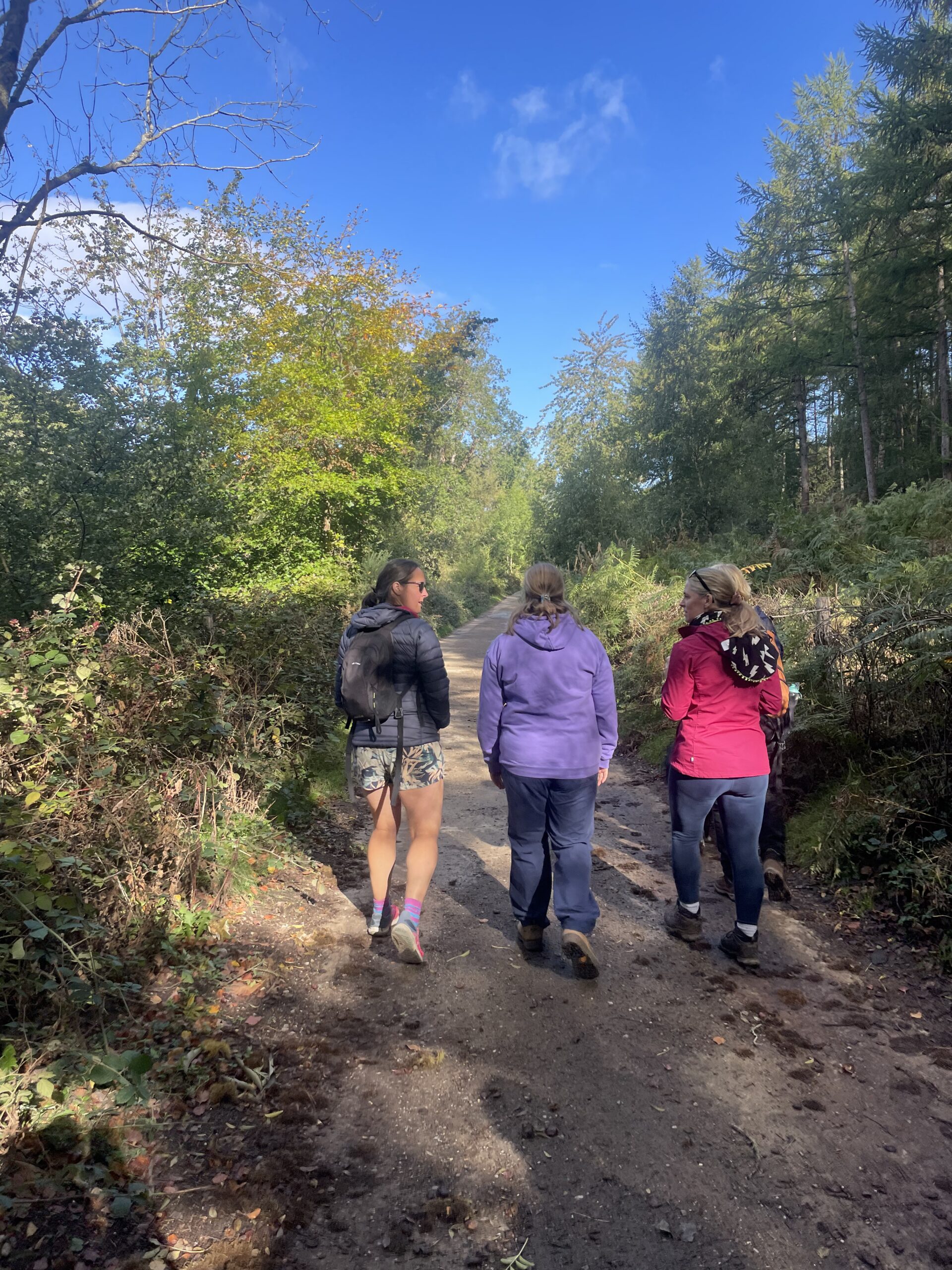
Sunday 29th November: 10-2pm. Kick testing session at Camelsdale Rec followed by a walk to Cotchet Lane, a source of the River Wey. And for those who want more, a walk to the viewpoint at The Temple of The Winds. Bring a packed lunch. This event was inspired by a lovely walk I did a few weekends ago with the Tillingbourne Dippers.
Calling all volunteers
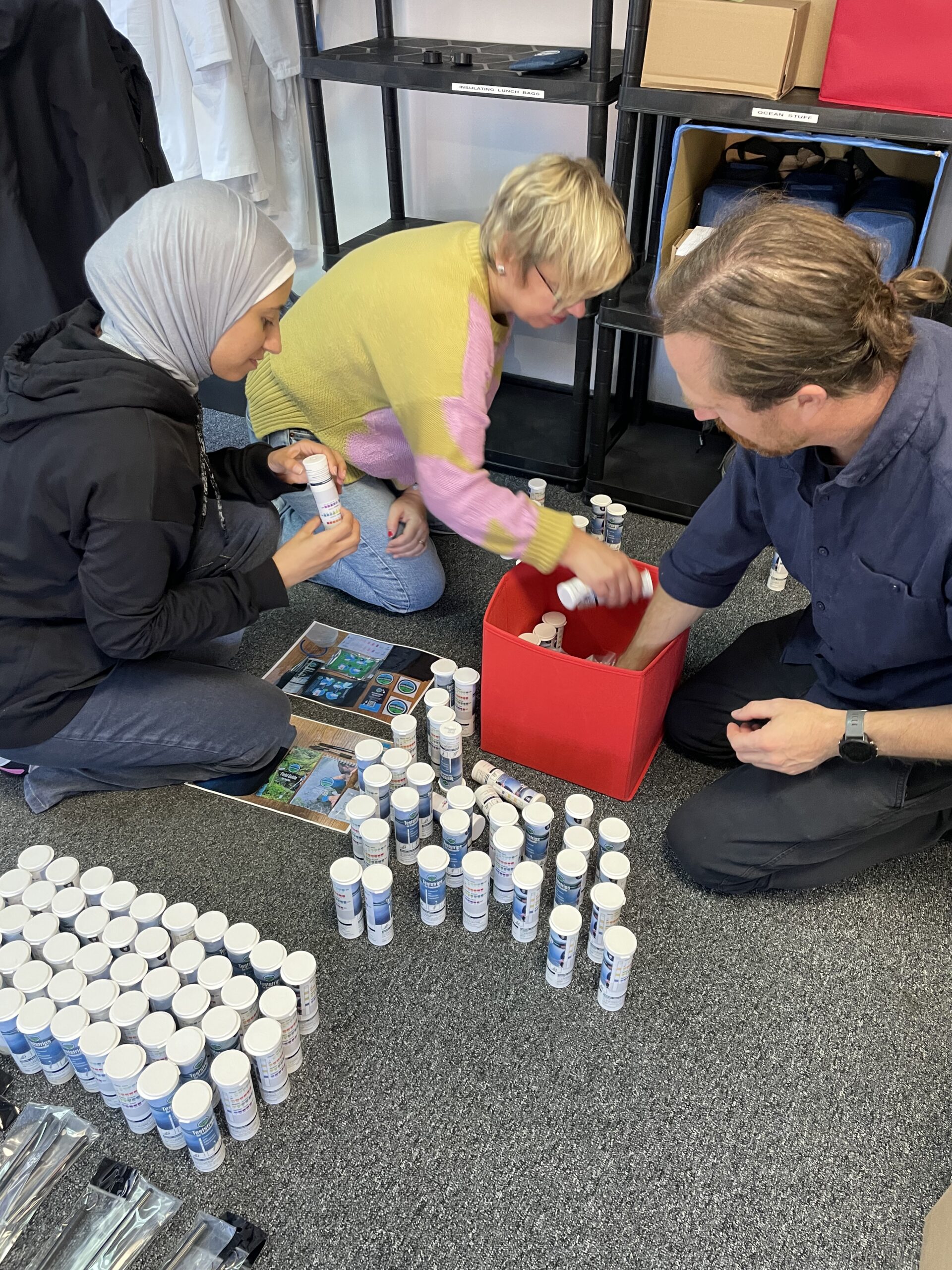
Thinking about volunteering with us? Sign up on My Impact, and we’ll be in touch. If you already volunteer, please log your hours there too. It really helps when we apply for funding.
Help keep the river testing going
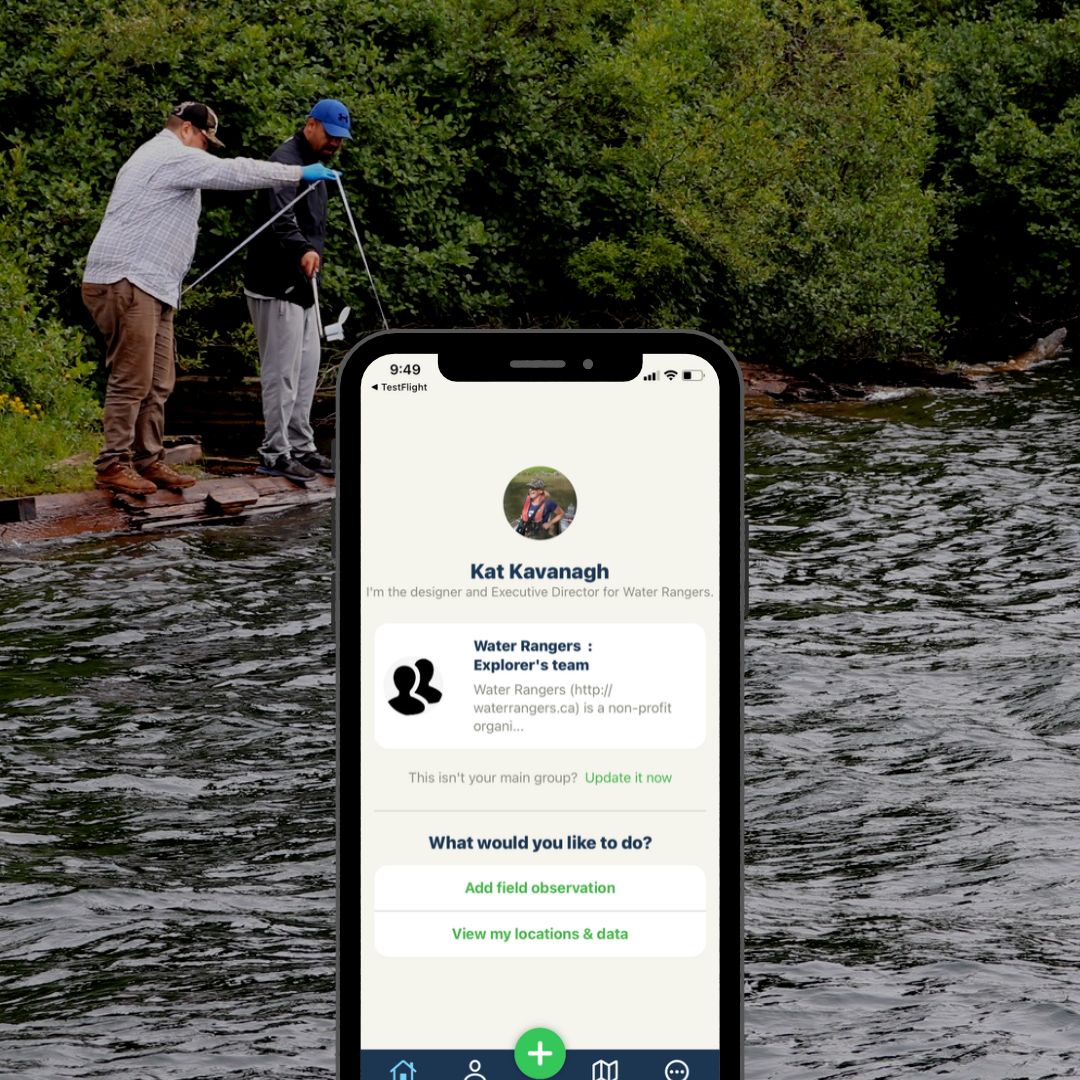
We’re always looking for funding to support our work, whether that’s testing on the River Wey or the development work that keeps our data platform open, free and bug-free.
Water Rangers is an open platform: anyone can upload results, and anyone can see them, for free. Keeping it running takes some great minds behind the machine. A small team keeps the system up to date, fixes bugs, adds features that volunteers ask for, and makes sure every result is stored safely and is easy to find. We think it’s some of the most exciting work we do because it turns riverbank readings into something people can actually use.
Please support us.
Clicks, likes and follows
As is the modern way, we would love you to follow us on social media for updates:
Water Rangers Facebook
Water Rangers Instagram
Water Rangers LinkedIn
River Wey Trust Instagram
River Wey Trust Facebook

Want to know more?
If you’d like to know more about our weekly and monthly volunteering roles, have a look here. Sign up for sessions or register to become a volunteer by clicking here or send me an email!
We’re always open to funding grants, so if you know anyone or have any ideas, please get in touch. And thank you to those who have been working on this kind of thing.
As always, we love hearing what you’re up to on the water. Send us your stories from along the Wey, and we’ll share them with everyone.
I have yet to have a story, maybe you will be the first one!
See you on the water and happy testing,
Alex